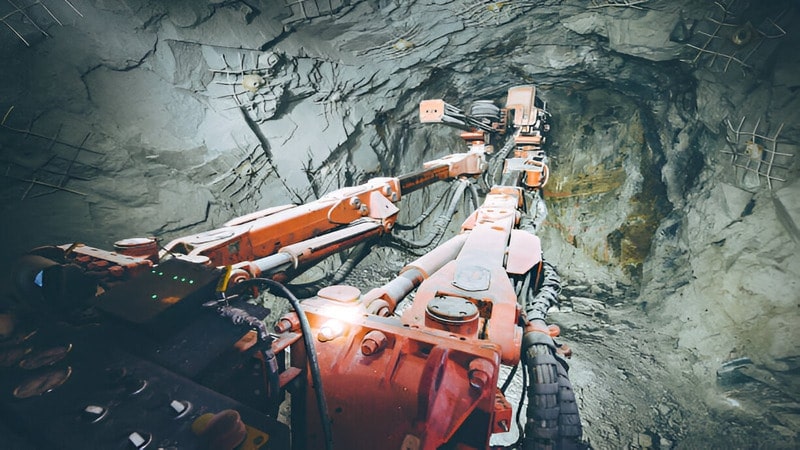
Tunneling through hard rock, reaching deep holes for gas, or mapping groundwater reserves demands precision. Choosing the right underground drill rig can determine the success or failure of the entire operation. After all, it’s about safety, speed, and reliability in tough environments.
However, the right drilling rig depends on the terrain, the depth, and the physical properties of the material. The average drilling speed for modern drill rigs ranges from 20 to 30 meters per hour. Selecting the wrong equipment can waste time, compromise safety, and increase costs.
In this guide, you’ll learn how to select the most suitable underground drill rig for your needs. You’ll explore how drilling technology impacts production, reliability, and safety, and how to match the right machine to your ground conditions, project depth, and excavation goals.
What is the Underground Drilling Rig?
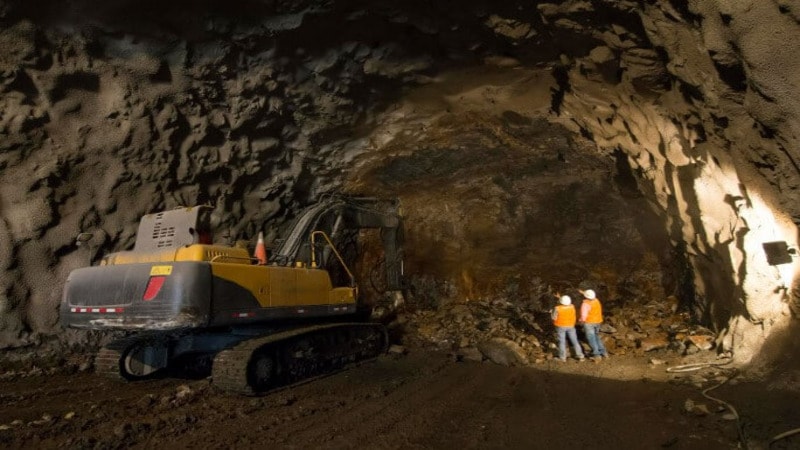
An underground drilling rig is a machine designed to drill below the earth’s surface. It operates in tunnels, mines, or other underground locations. The rig uses different drilling methods such as top hammer drilling, percussion drilling, and auger drilling to break through rock or soil.
The drilling rig depends on the physical properties of the ground and the drilling technology. It can reach deep holes for exploration drilling, mining, or construction projects.
Applications and Advantages of Underground Drilling Rigs
Underground drill rigs serve in underground mining, exploration for gas, oil, and water, and construction of tunnels or shafts. They are also used in drilling boreholes and blast holes.
- Compact size: Suited for tight spaces and remote locations
- High productivity: Increases drilling operation efficiency
- Adaptability: Rigs can work in different ground and rock conditions
- Advanced technologies: Ensures reliability and precision
- Safety: Designed to meet high safety standards in underground mining and exploration
These rigs are equipped to handle excavated material, drill cuttings, and other equipment. They can be moved manually or mounted on a truck for flexibility. The rig can handle heavy loads, drill to various depths, and be powered for different drilling operations.
Types of Drill Rigs
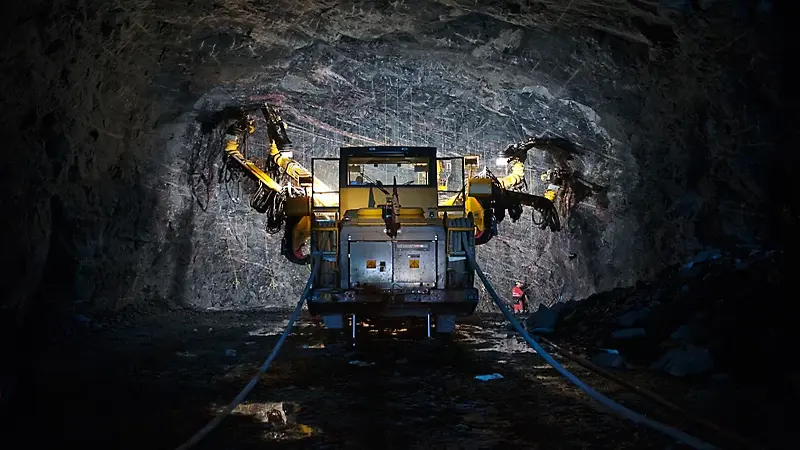
Rigs are engineered to operate in challenging and confined environments, often in deep and hard-to-reach locations. Depending on the specific application, drilling rigs come in various designs, each suited for a particular purpose.
- Mining Drill Rigs: Mining drill rigs are used in both exploration and extraction processes in underground mining operations. It usually use drilling pipes and high-performance drill bits to penetrate tough surfaces. These rigs are essential for drilling boreholes for sampling, blasting, and sometimes even ventilation.
- Tunnel Drill Rigs: Tunnel drill rigs are specialized machines designed specifically for the construction of tunnels. Tunnel drill rigs are often used in conjunction with tunnel boring machines (TBMs). TBMs are 3–10 times faster than drilling and blasting methods.
- Rock Bolting Drill Rigs: Rock bolting drill rigs are used to install rock bolts into the tunnel or mine walls, providing essential reinforcement to prevent collapse. These bolts help stabilize the rock mass, reducing the risk of rockfalls or cave-ins.
- Geothermal Drill Rigs: Geothermal drill rigs are built to tap into the earth’s natural heat for energy production. Unlike traditional drilling operations, geothermal drilling rigs are designed to reach extreme depths often thousands of feet below the earth’s surface.
Laying the Groundwork: Universal Selection Criteria for All Underground Drill Rigs
Every successful subsurface mining project begins with careful planning. Here is Selection criteria you must follow:
Defining the Primary Application
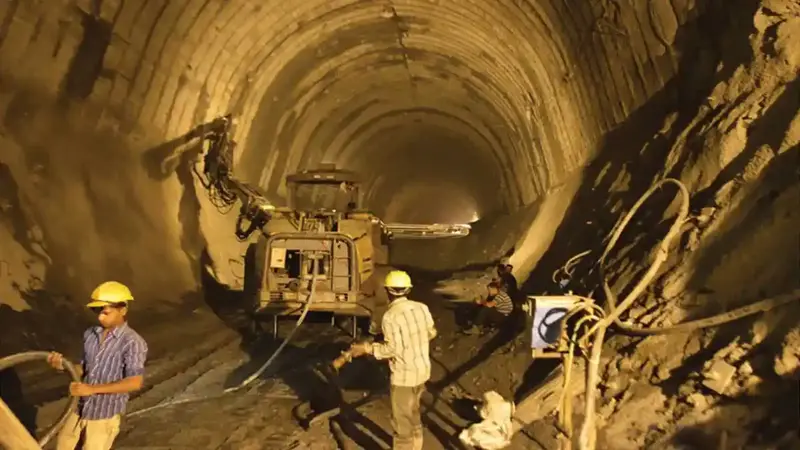
The first step in selecting a rig is to clearly define its intended use. Each type of drilling operation requires specific capabilities. For instance, tunnel excavation may necessitate a more compact rig for maneuverability in confined spaces, while mineral exploration requires rigs that prioritize core recovery and precision.
Geological and Geotechnical Considerations
A comprehensive understanding of the site’s geological conditions is essential. The rig’s capabilities must align with the type of rock, the presence of fractures, and the ground stability. For example, hard rock formations such as granite require rigs with greater power and torque, whereas softer formations may allow for quicker drilling.
Additionally, underground water sources can complicate drilling, making waterproofing or drainage systems essential. Equally important is understanding the presence of faults or fractures in the area. These geological features can cause unexpected challenges during drilling, necessitating a more adaptable rig. Thorough geological surveys are, therefore, an essential precursor to rig selection.
Site Constraints and Accessibility
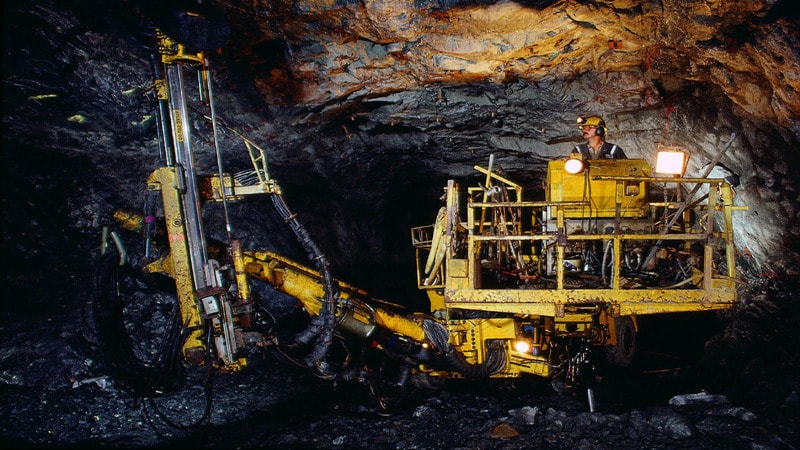
Underground drilling often occurs in confined spaces, so understanding the spatial constraints of the site is crucial. This includes assessing the dimensions of the tunnel or shaft in terms of height, width, and length. The use of track-mounted or crawler-mounted rigs is common in such scenarios as they provide stability and mobility in uneven terrain.
Another consideration is the power source. The availability of power may dictate whether an electric, diesel, or pneumatic rig is most appropriate. Electric rigs, for example, are often favored in environments where ventilation is a concern due to the potential hazards of diesel fumes.
Performance Requirements
Drilling methods vary, and selecting the correct one is vital for achieving the desired results. Rigs can be designed for percussive (impact), rotary, or rotary-percussive drilling, each suited to different ground conditions. Hard rocks often require percussive drilling methods, while rotary drilling is more effective for softer formations. A rotary-percussive method is a hybrid, offering flexibility for various geologies.
Safety and Regulatory Compliance
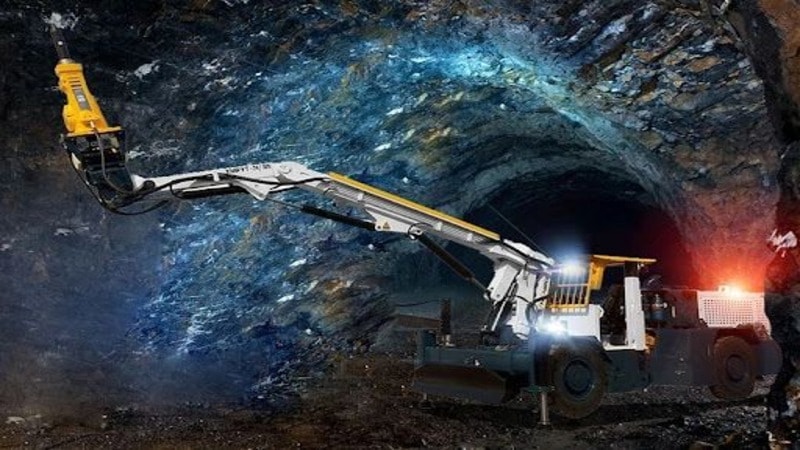
Safety is a top priority in underground operations. In the United States, adherence to regulations set by the Mine Safety and Health Administration (MSHA) and the Occupational Safety and Health Administration (OSHA) is essential. Key safety features include Rollover Protective Structures (ROPS) and Falling Object Protective Structures (FOPS) to safeguard operators.
Emergency shutdown systems, fire suppression mechanisms, and dust and noise suppression capabilities are also crucial. Additionally, if working in gassy environments or confined spaces with limited ventilation, the rig must be compatible with the site’s ventilation system to ensure air quality and worker safety.
Economic Considerations: Total Cost of Ownership (TCO)
While the initial purchase price of a rig is an important factor, the Total Cost of Ownership (TCO) provides a clearer picture of the financial commitment. The TCO includes not only the capital cost but also operational costs like fuel, consumables (such as drill bits), and labor.
Maintenance costs, which are especially significant for underground rigs, should be factored in, as well as the rig’s expected lifespan. A more expensive rig may offer greater durability and efficiency, potentially reducing long-term costs.
Manufacturer Reputation and Support
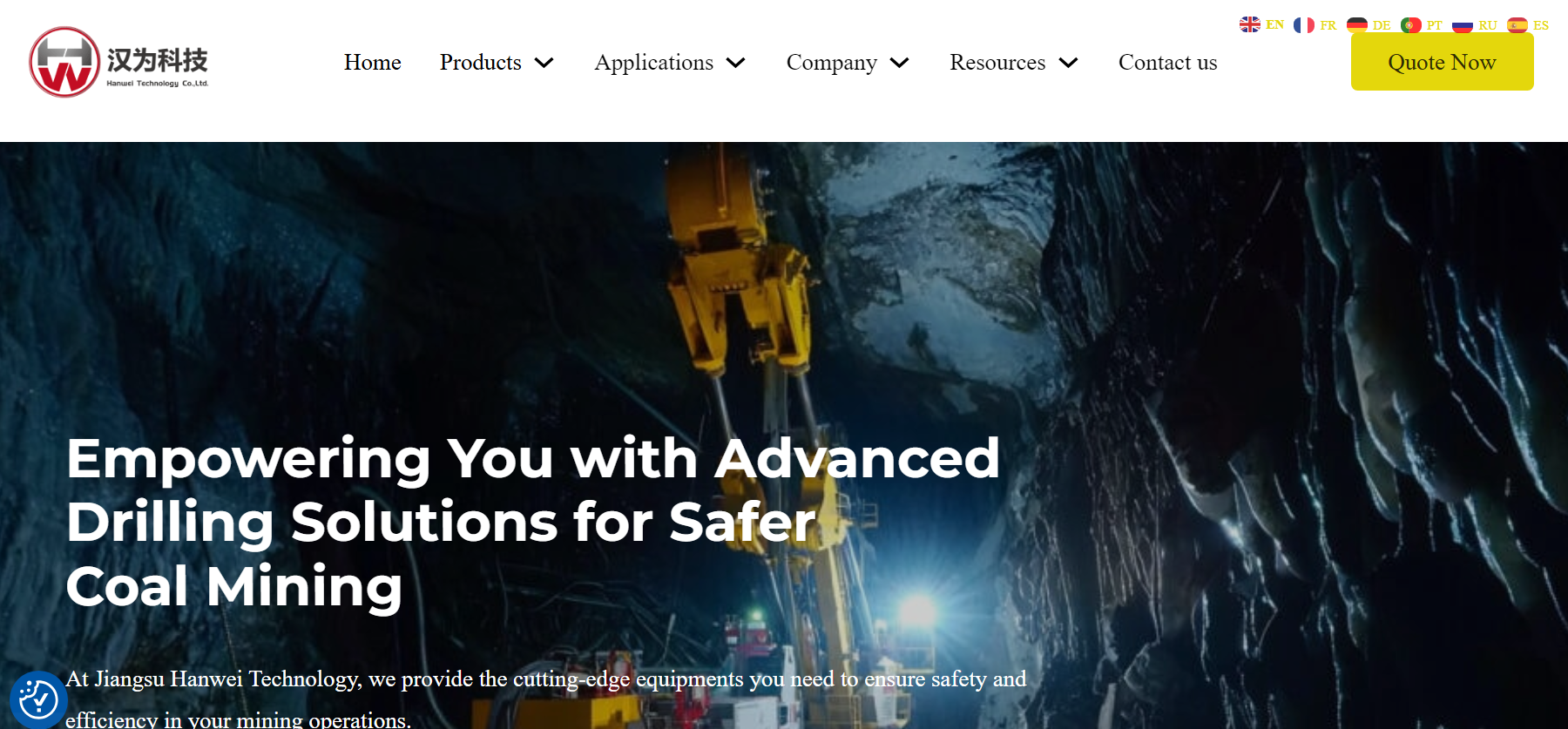
Finally, the reputation of the manufacturer and the level of support they offer is a key consideration. A reliable manufacturer such as Hwdrill with a strong service network ensures that parts and service are readily available, minimizing downtime.
Additionally, training programs for operators and maintenance staff can improve safety and operational efficiency. Selecting the right underground drill rig involves careful consideration of the project’s needs, site conditions, and safety requirements.
Focus Area 1: Selecting the Right Tunnel Drilling Rig
Key Rig Types for Tunnel Construction
The selection of tunnel construction rigs depends on their specific roles within the tunneling cycle. Below are the main types of rigs used and the factors that influence their effectiveness.
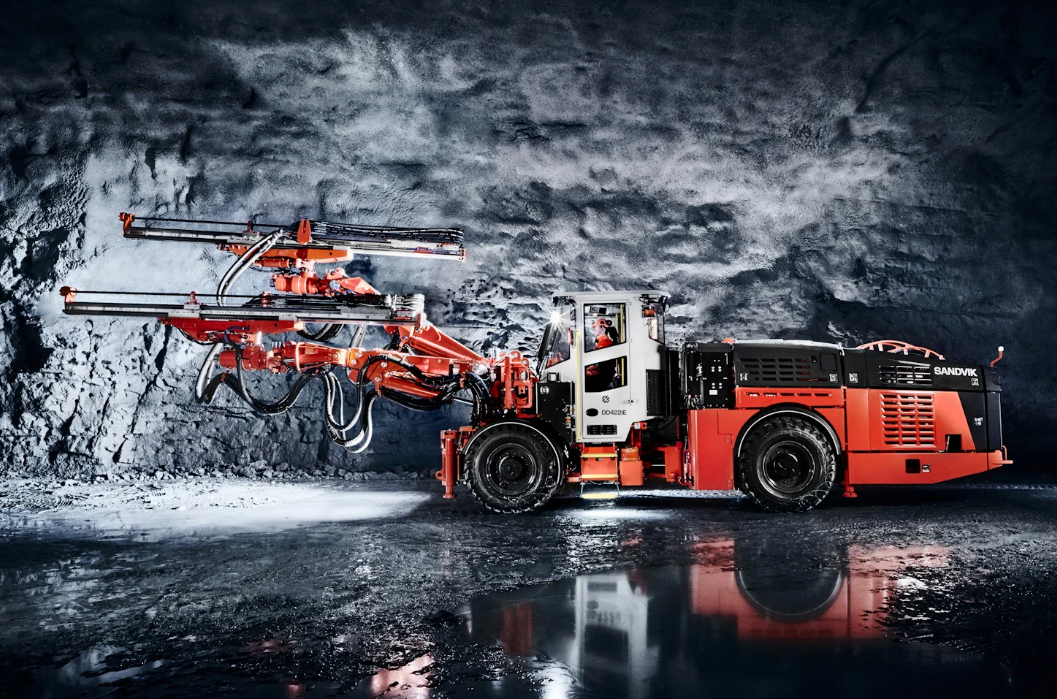
Face Drilling Jumbos
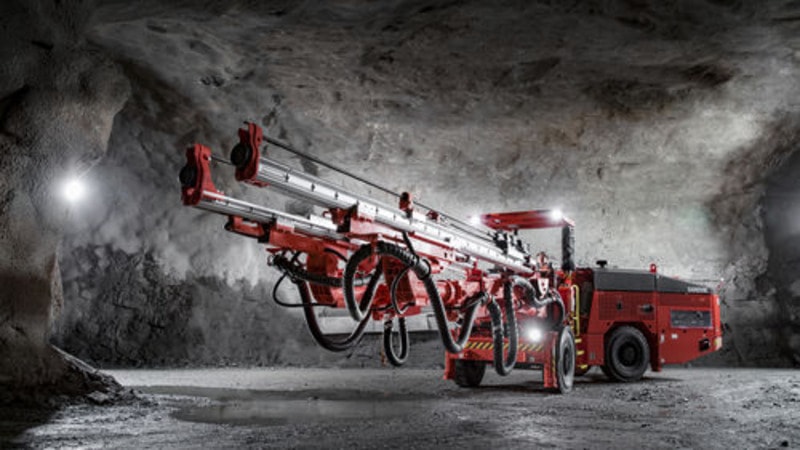
It is Primarily used for drilling blast holes in the face of the tunnel. Here are some key considerations when evaluating face drilling jumbos:
- Number of Booms: The number of booms determines how many holes can be drilled simultaneously, which impacts overall productivity.
- Coverage Area: Larger coverage areas allow for more efficient drilling of multiple blast holes in one pass.
- Tramming Speed: High tramming speed allows the rig to quickly move between drill sites, improving efficiency.
- Drilling Automation: Features like automated drilling patterns and anti-jamming systems help increase precision, reduce human error, and minimize downtime.
- Cycle Time Impact: The total time taken for each cycle affects project timelines. Efficient rigs minimize cycle time while maintaining high precision.
These factors collectively influence the performance of the drilling process and must align with the overall tunneling strategy.
Rock Bolting Rigs
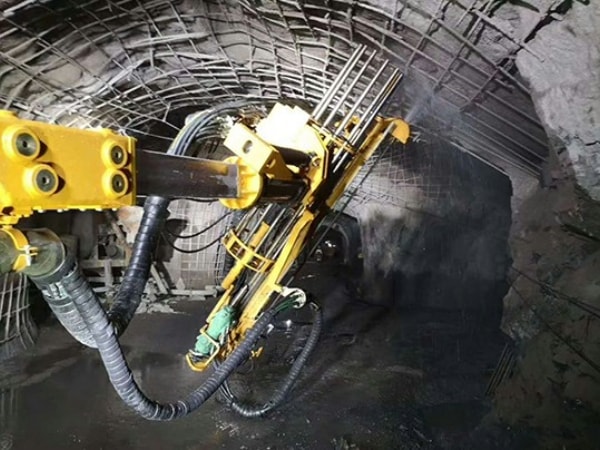
Installed for ground support, such as securing rock bolts in the tunnel to prevent collapse. When choosing rock bolting rigs, consider the following:
- Type of Bolts: The rig must be compatible with the type of bolts required for the specific ground conditions.
- Reach: The reach of the rig is important for installing bolts at varying distances from the rig.
- Automation: Automated systems can improve bolt placement accuracy and speed, especially for large-scale projects.
- Maneuverability: Maneuverability in tight spaces and tunnels is crucial to maintain efficient operations.
Proper selection of rock bolting equipment helps ensure safety and structural integrity throughout the tunneling process.
Specific Selection Factors for Tunneling
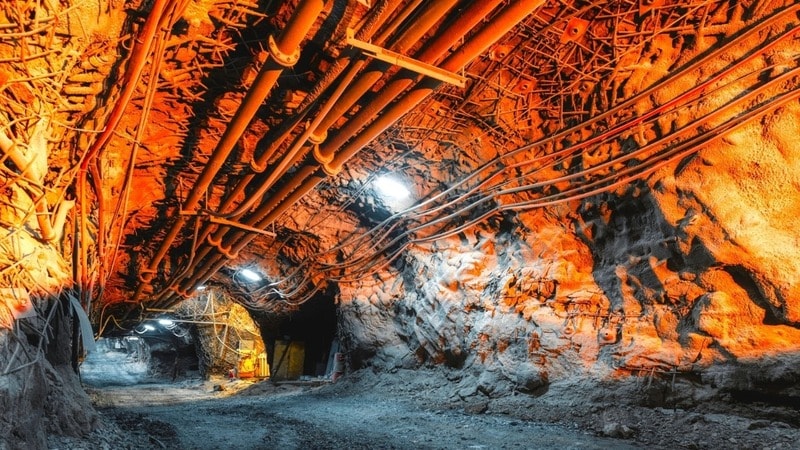
Beyond equipment-specific features, tunnel design and project requirements play a major role in selecting the right machinery. These broader factors must also be taken into account:
- Tunnel Dimensions and Profile
The rig must be chosen based on the physical constraints of the tunnel. Smaller tunnels may require compact rigs with flexible boom configurations, while larger tunnels may allow for rigs with more expansive booms and additional features. - Required Advance Rate and Overall Project Schedule
The required speed at which the tunnel is excavated affects the rig choice. Faster advance rates require rigs capable of high-efficiency drilling while balancing precision. - Integration with the Overall Tunneling Cycle
The tunnel rig should complement the overall tunneling operation. Integration with mucking (removal of debris) and support (installation of ground support) processes is essential for maintaining the flow of work and meeting project deadlines. - Accuracy for Profile Control and Minimizing Overbreak
Precision is key in tunneling to maintain the correct tunnel profile and avoid overbreak (unnecessary material excavation). Rig features like advanced automation and real-time data monitoring can help maintain the required tunnel dimensions.
Considering these elements ensures the selected equipment will support both operational efficiency and project success from start to finish.
Focus Area 2: Selecting Water and Gas Exploration Drilling Rigs for Underground Deployment
Choosing the right drilling rig for underground water and gas exploration involves aligning technical capabilities with the environmental constraints and safety requirements of subsurface operations.
Primary Objectives for Underground Exploration
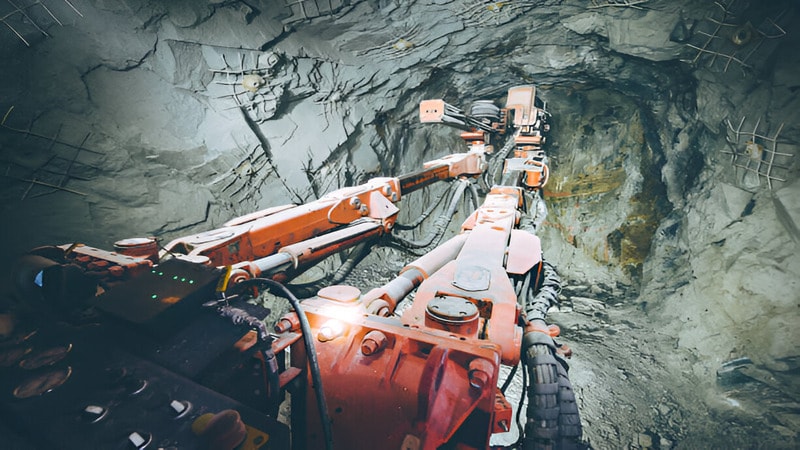
Drilling rigs for water and gas exploration serve a range of purposes including:
- Locating Water Sources: Identifying groundwater reserves for sustainable extraction.
- Identifying Gas Pockets: Detecting dangerous gases (e.g., methane) ahead of mining operations to ensure safety.
- Geotechnical Data Collection: Providing geological data for mining, construction, and environmental assessments.
With these objectives in mind, selecting the appropriate rig type becomes a matter of matching capabilities with geological conditions and spatial limitations.
Key Rig Types for Underground Exploration
Different underground conditions call for specific rig designs. The types of rigs most suited for underground water and gas exploration are:
Compact Core Drilling Rigs
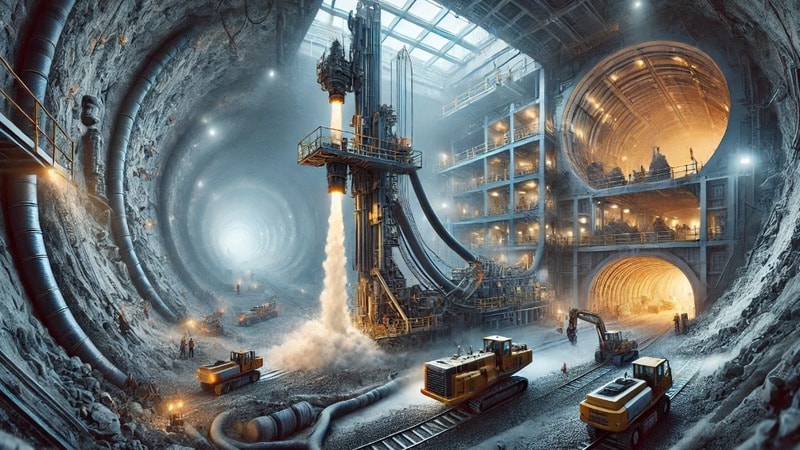
These rigs are designed for high-quality core recovery and are especially useful in confined underground spaces.
- Purpose: Designed for high-quality core recovery, maneuverability in confined spaces, and drilling at various angles.
- Considerations: These rigs are essential for precise core sampling, especially in areas with limited space or complex geology.
Directional Drilling Rigs
When exploration demands precision and controlled drilling paths, directional rigs provide a tailored solution.
- Purpose: Used for precise targeting of exploration holes, particularly when exploration needs to follow a specific geological formation or strike.
- Considerations: Directional drilling rigs can adjust the angle and direction of the drill path, allowing for greater flexibility in exploration.
Specialized Longhole Exploration Rigs
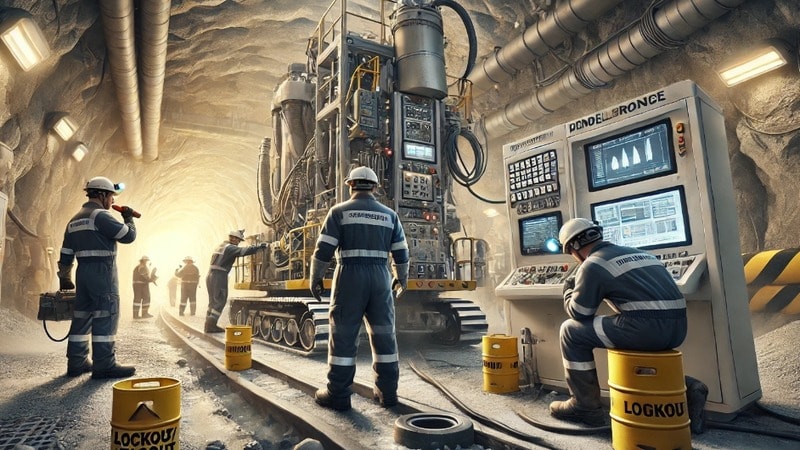
For reaching deeper or more remote targets from existing tunnels, longhole rigs are the preferred choice.
- Purpose: Typically used for deep drilling from existing tunnel drives to reach exploration targets further from the access point.
- Considerations: These rigs are capable of drilling deeper than conventional rigs, making them ideal for extensive geological surveys.
Making the Decision: Review of The Entire Process
A clear decision-making process can help avoid costly mistakes and ensure the rig aligns perfectly with your project’s needs. Below is a breakdown of the key steps to guide your final decision:
Needs Assessment
Begin by identifying the core drilling operations your project will undertake—whether it’s oil and gas exploration, geotechnical surveys, mining, or water well drilling. Understanding the terrain, depth, soil types, and mobility requirements will narrow down rig categories (truck-mounted, crawler, skid, etc.). This assessment sets the foundation for all following evaluations.
Key Questions to Ask:
- What depth and diameter will most boreholes require?
- What ground conditions will the rig encounter?
- Will the rig be stationary or need frequent relocation?
Prioritize Criteria
All drilling projects share certain rig requirements: durability, safety features, and operator efficiency. However, your unique project may require a specialized torque range, a compact footprint, or specific automation features. Creating a decision matrix can help rank these needs based on importance.
Common Criteria to Consider is:
- Universal: Power output, safety systems, ease of maintenance
- Application-Specific: Mast height, rotary head torque, pullback capacity, rig mobility
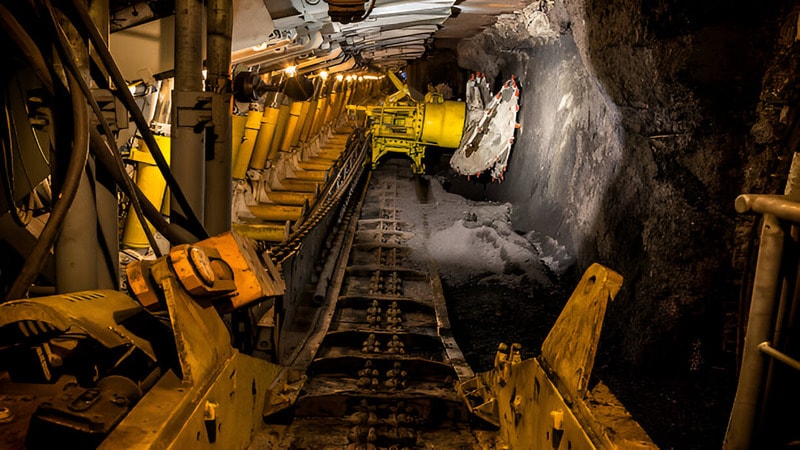
Research & Shortlist
Explore well-known and emerging manufacturers who produce rigs within your specifications. Request brochures, case studies, or arrange live demos when possible. Focus on brands with a track record in your industry segment, and assess regional availability of their machines and parts.
Here are some tips to follow:
- Leverage peer reviews and testimonials.
- Investigate supplier reputation for post-sale service.
- Include local manufacturers if serviceability is a concern.
Technical & Commercial Evaluation
After shortlisting, conduct a detailed comparison. Technical specs such as drilling depth, fuel efficiency, and automation capabilities must align with your earlier priorities. Equally important is evaluating commercial aspects—initial cost, lead time, warranty, maintenance costs, and long-term support.
The evaluation parameters include:
- Technical: Drilling capacity, engine performance, control systems
- Commercial: Price, financing, spares availability, training options
- TCO: Energy consumption, lifecycle costs, resale value
Creating a transparent selection record not only supports accountability but also facilitates future procurement cycles.
Conclusion
Selecting the best underground drill rig demands more than just technical knowledge. It requires aligning general drilling principles with the unique conditions and goals of your project. Whether you’re developing complex tunnel systems or conducting detailed subsurface exploration for water or gas, choosing the right rig is critical.
Every underground challenge is different. A rig that fits both the task and the environment is essential—not only for performance but for safety, cost control, and long-term reliability.
Get expert support from hwdrill
When the underground challenge is complex, the right rig makes all the difference.
Let Hwdrill help you select the ideal equipment—tailored to your geology, project scope, and performance goals.
Contact us now to make your next tunneling or exploration project safer, faster, and more precise.