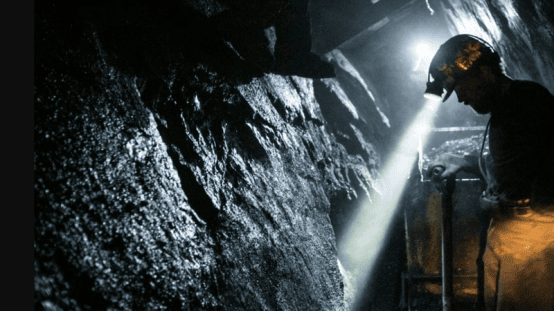
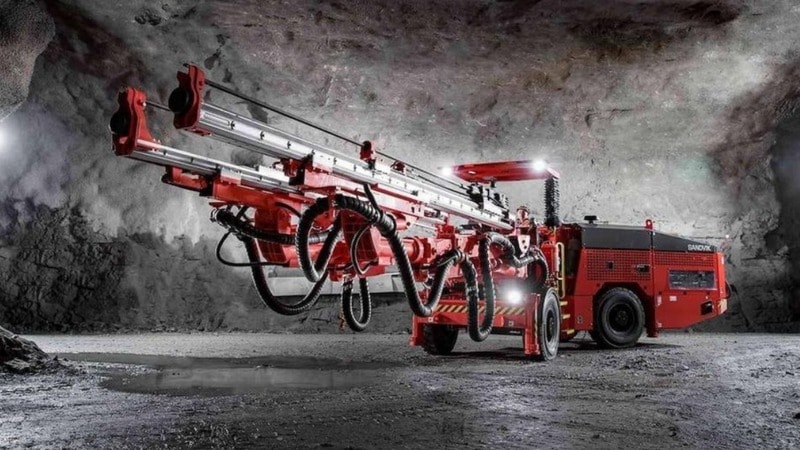
Selecting the right underground drill rig for coal mining is more than just a technical choice; it’s about optimizing safety, efficiency, and long-term productivity. The task of drilling through coal seams and rock formations requires specialized equipment designed to handle extreme conditions while maintaining high levels of performance.
From the complexity of varying pressure differences to the challenges posed by rock types, the right underground drill rig can make all the difference. In countries like Canada, where coal mining is extensive, these machines are essential for ensuring smooth operations from the ground floor to the surface.
In this guide, we will explore the essential factors to consider when choosing the right underground drill rig for coal mining, highlighting key aspects such as safety, reliability, and overall performance. Let’s get started!
What is Coal Mining
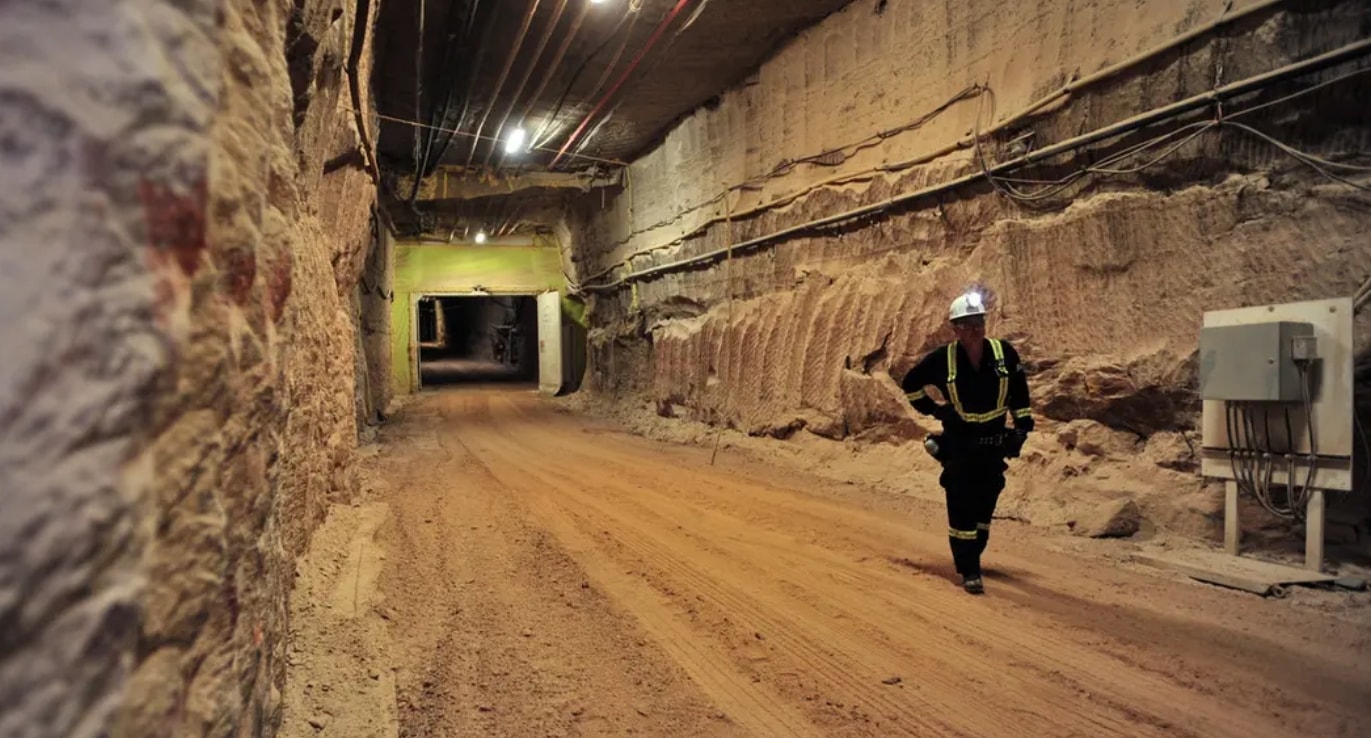
Coal mining is the process of extracting coal from beneath the Earth’s surface to be used as a fuel source for electricity generation, heating, and various industrial processes. This process can be carried out through two primary methods: underground mining and surface mining, each suited to different geological conditions.
Underground coal mining involves digging tunnels or shafts to reach deep coal seams, which are then extracted. This method is employed when coal deposits are located too deep beneath the surface, making surface mining impractical. On the other hand, surface mining is used when coal seams are close to the Earth’s surface, allowing for large-scale extraction with heavy machinery.
In underground coal mining, specialized equipment, such as underground drill rigs, is crucial for reaching and extracting coal from deeper seams. These rigs are designed to drill through tough rock formations and ensure the safety and efficiency of mining operations. They are also essential in addressing the challenges posed by confined spaces, limited airflow, and the varying pressures within the mine.
Types of Underground Drilling Rigs for Coal Mine
The type of drill rig chosen will depend on various factors, such as the depth of the coal seam, hole orientation, and the nature of the rock formations. Below are the common types of underground drill rigs used in coal mining, with examples and their key features:
Gas Extraction Drilling Rigs
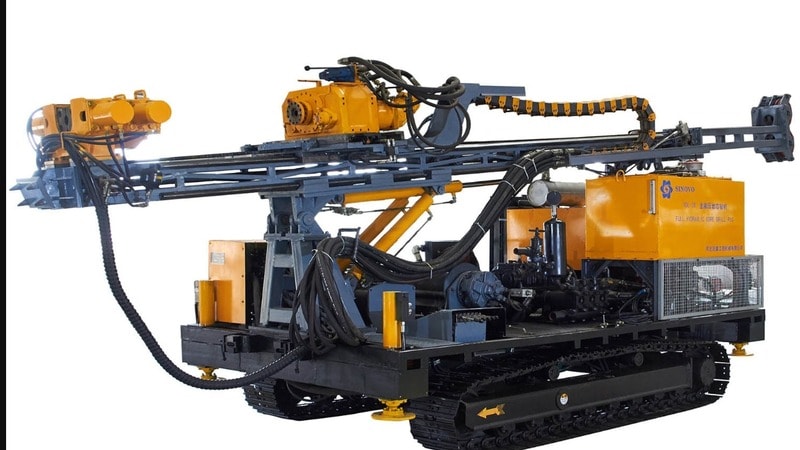
Gas extraction drilling rigs are used to extract methane and other gases from coal seams before mining begins. These rigs help reduce the risk of dangerous gas outbursts by managing gas buildup in the seam. The use of such rigs is critical for ensuring the safety of coal miners and enhancing production by addressing gas-related risks ahead of time.
Features
- Hydraulic-powered system for efficient and controlled gas extraction.
- Designed to manage pressure differences in the coal seam during gas extraction.
- Helps reduce the risk of explosions caused by methane accumulation.
- Improves worker safety by clearing potentially hazardous gases before mining.
Water and Gas Exploration Drilling Rigs
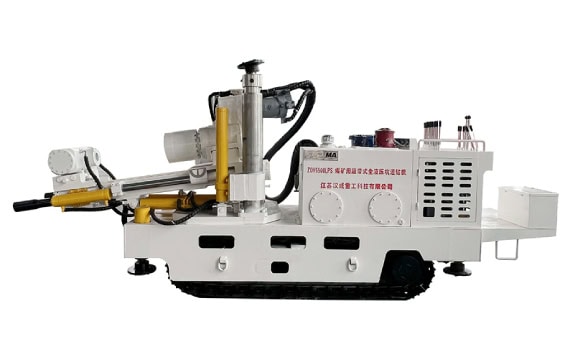
Water and gas exploration drilling rigs, such as the series tunnel drilling rigs, are used to detect water bodies or areas with abnormal gas concentrations ahead of excavation. These rigs are vital for identifying hazards before mining starts, allowing for safer and more predictable underground drilling operations.
Features
- Lightweight and portable, making them ideal for confined spaces in subsurface mining.
- Equipped to detect gas pockets and water bodies ahead of excavation.
- ZDY series rigs provide efficient detection with advanced technology, replacing older methods like handheld rigs.
- Helps avoid hazards such as flooding and gas buildup during coal mining.
Anchor Support Drilling Rigs
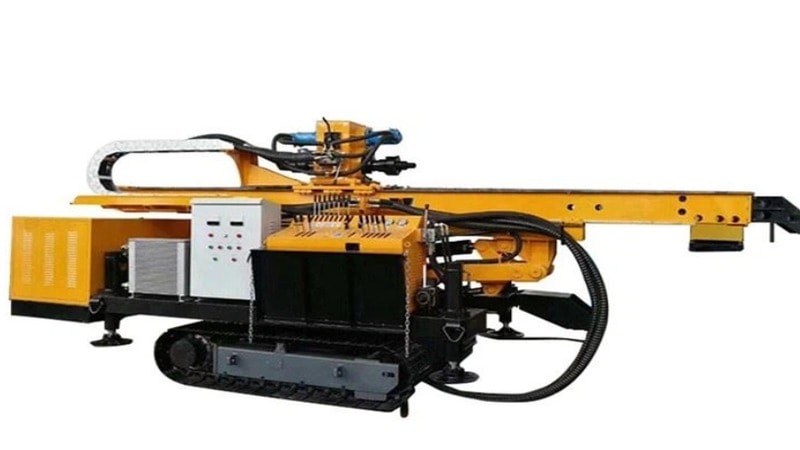
Anchor support drilling rigs, such as the anchor drilling vehicle, are used to drill holes for installing anchors and anchor cables that stabilize the mine’s tunnel structure. These rigs ensure that the top and side of coal or rock tunnels remain secure, reducing the risk of tunnel collapse and enhancing worker safety.
Features
- Capable of drilling precise holes for installing anchors and anchor cables.
- Ensures the stability of coal or rock tunnels, preventing collapses.
- Designed for use in both narrow roadways and larger tunnel spaces.
- Enhances reliability and safety in underground coal mining operations.
Geological Exploration Drilling Rigs (Core Drilling Rigs)
Geological exploration drilling rigs, like core drilling rigs, are used to obtain core samples from coal seams and surrounding rock formations. The core samples provide crucial data for understanding geological structures, assessing the heating value of coal, and informing the design of mining operations.
Features
- Extracts core samples from deep coal seams and rock formations.
- Provides valuable data for coal seam analysis, ensuring the right areas are targeted for mining.
- Helps assess coal quality and predict geological stability, aiding in mine design.
- Essential for planning efficient coal extraction and ensuring optimal production.
Directional Drilling Rigs
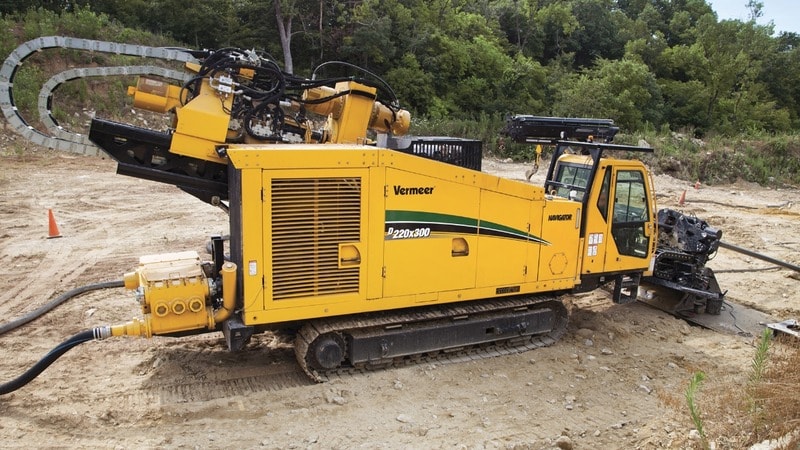
Directional drilling rigs, such as the directional drilling rig with drilling inclinometer system, are designed to drill at precise angles and along curved paths to access hard-to-reach coal seams. These rigs are ideal for long-distance drilling, especially in complex geological environments where traditional vertical drilling is impractical.
Features
- Directional drilling allows precise control over drilling angles, ensuring accurate path alignment.
- Equipped with a drilling inclinometer system to monitor and adjust the drilling trajectory.
- Ideal for accessing coal seams in confined spaces, improving coal extraction efficiency.
- Reduces drilling waste and improves productivity by targeting specific areas more effectively.
Key Factors for Selecting Underground Drill Rigs in Coal Mines
Here are essential key factors to consider when selecting underground drill rigs:
Mandatory Safety Regulations and Compliance
Compliance with safety standards is critical when selecting underground drill rigs. Different countries have regulatory requirements that govern the use of coal mining equipment. For example, in the United States, the MSHA (Mine Safety and Health Administration) sets strict guidelines for underground mining.
When working in a methane gas environment, explosion-proof (XP) requirements must be met to prevent accidents caused by gas outbursts. Protecting the electrical and mechanical parts of drill rigs is essential for safety, ensuring they operate efficiently without posing risks to coal miners.
Drilling Objectives and Process Requirements
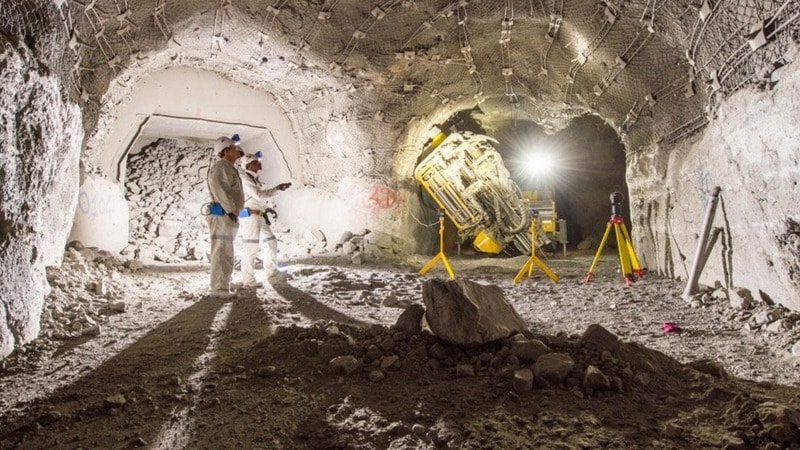
The purpose of the drilling operation directly influences the type of underground drill rig required. For instance, different drilling rigs are suited for various tasks such as gas extraction, water exploration, core sampling, or anchor support.
Parameters such as drilling depth, hole diameter, angle of the borehole, and hardness of the rock layer dictate which drill rig is best suited for the job. Understanding the specific drilling objectives helps in selecting a rig with the necessary capabilities, such as feed lengths, pressure control, and rock drills.
Matching the Rig to the Coal Mine Environment & Geology
The environment and geology of the coal mine play a vital role in selecting the right drill rig. Factors such as the location of coal-bearing strata, whether pillars are needed, and the size of the coal seam affect rig selection.
For example, if the mine has a narrow roadway or is a low coal seam, a smaller, more compact drill rig may be necessary. The energy supply required for the drill rig is also essential to consider, with options for electric, pneumatic, or hydraulic systems depending on the mine’s infrastructure and the specific coal seam characteristics.
Operating System
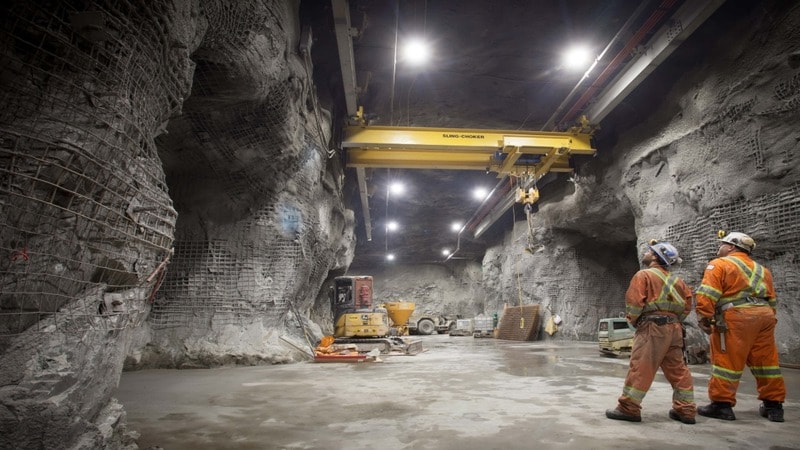
Modern drill rigs come with advanced operating systems to improve efficiency and reduce operational risks. Depending on the mine’s needs, some drill rigs are equipped with remote control, intelligent control, or automatic shutdown systems to enhance operational control.
Additionally, features such as data recording and real-time monitoring of pressure and temperature are increasingly important for maintaining operational safety and efficiency. These features reduce personnel exposure to risks and help prevent misoperation of the equipment.
Maintenance and Spare Parts Supply
The ease of maintenance is another critical factor when selecting a drill rig. Modular equipment structures allow for easier maintenance and repair, which is essential for minimizing downtime in coal mining operations.
Having access to after-sales service and a rapid response mechanism from the manufacturer is crucial for addressing any issues that arise. Furthermore, ensuring a steady supply of spare parts such as drill pipes, joints, and chucks is necessary for the rig’s continuous operation.
Assessment of Economic Benefits
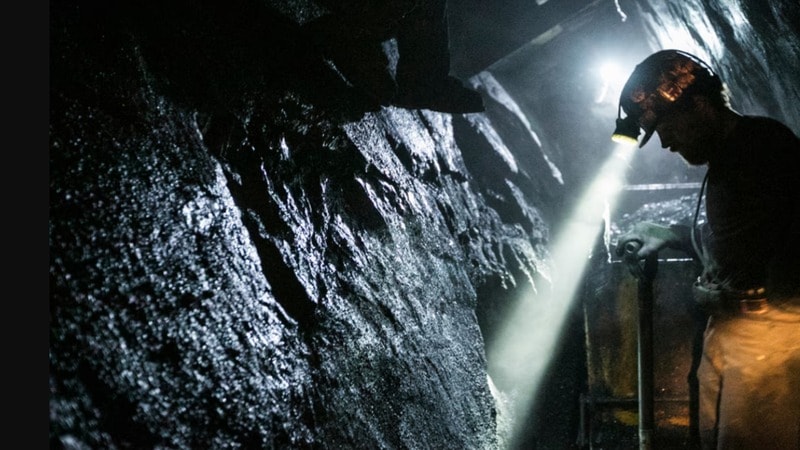
The speed, operating time, and reliability of the drill rig directly impact the overall progress of coal mining. A reliable drill rig will increase productivity by reducing downtime and improving drilling efficiency. The maintenance costs, operation costs, and return on investment (ROI) are essential factors to assess before purchasing a rig.
A well-chosen drill rig can result in significant savings in fuel consumption, labor, and repair costs, improving the financial efficiency of mining operations. Consideration of economic benefits ensures that the selected rig contributes to the long-term success of the mining project.
Consideration: Coalbed Methane
Coalbed methane (CBM) is a form of natural gas primarily found in coal seams. It is produced during the process of coal formation and is often trapped within the coal matrix. The gas consists mainly of methane, which is the primary component of natural gas. In underground coal mines, CBM can be released when the coal is disturbed during mining operations. It is often found in coal seams and can accumulate in significant quantities, especially in deeper coal beds.
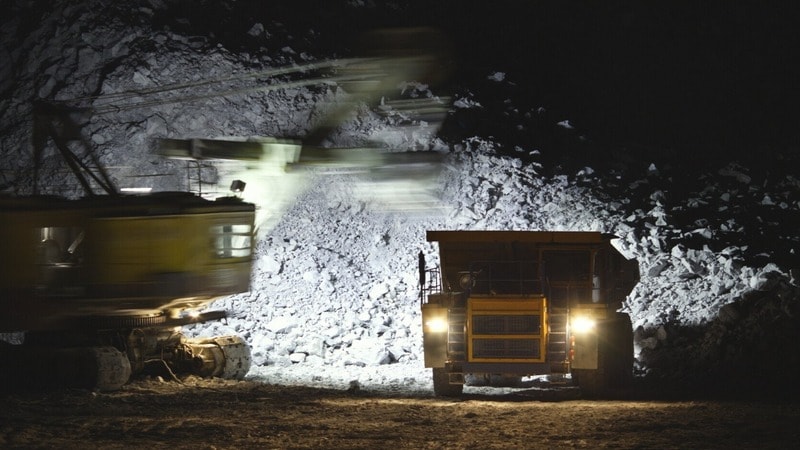
It’s important to note that not all underground coal mines have significant levels of coalbed methane. The presence of CBM depends on factors such as the coal seam’s depth, age, geological formation, and local mining conditions. In some areas, CBM is a significant resource and may even be extracted separately from the coal as a valuable energy source. However, many coal mines have low or negligible levels of methane, reducing the associated risks and the need for special gas extraction systems.
The Hazards of Coalbed Methane in Underground Coal Mines
Coalbed methane presents several hazards in underground coal mines:
Explosion Risk
One of the most significant dangers associated with CBM is the risk of explosions. Methane is highly flammable and can form explosive mixtures with air in mine tunnels. When sufficient methane accumulates in confined spaces, it can lead to a dangerous gas outburst or an explosion, which can have catastrophic consequences for miners. The explosive limit of methane is between 5% and 15% by volume, meaning even small concentrations can pose serious risks.
Asphyxiation
In areas with high methane concentrations, there is also a risk of asphyxiation. Methane displaces oxygen in the air, reducing the available oxygen for miners to breathe. In confined spaces, this can lead to suffocation, especially if the ventilation system is inadequate or if methane accumulates in poorly ventilated parts of the mine.
Underground Gas Migration
Coalbed methane can migrate from the coal seam to surrounding rock layers, and in some cases, even into abandoned mines. If the gas isn’t properly controlled, it can lead to dangerous accumulation in unexpected areas, further complicating mining operations and increasing safety risks.
Impact on Ventilation Systems
The presence of CBM can place a significant strain on a mine’s ventilation system. Effective ventilation is essential for controlling the concentration of methane and maintaining safe conditions for workers. If methane is not adequately ventilated, it can quickly accumulate to dangerous levels.
Due to these hazards, underground coal mines with coalbed methane often require additional gas management measures, such as methane extraction systems, ventilation controls, and explosion-proof equipment to mitigate the risks.
Conclusion
Selecting the right drill rig for underground coal mining is an essential decision that is primarily influenced by safety regulations, the coal mine’s environment, and the unique hazards associated with coal extraction.
The choice of drill rig is also determined by various other factors, including drilling depth, hole orientation, rock type, and the need for specialized rigs like face drilling rigs or geological exploration rigs. Whether you’re focused on gas extraction, anchor support, or core sampling, each type of rig serves its purpose in improving safety, increasing productivity, and enhancing mining operations.
Enhance the Efficiency of Your Coal Mining Operations with HWDrill
At Hwdrill, we specialize in offering high-quality, reliable drilling solutions tailored to your mining needs. Contact us today to explore our range of underground drill rigs and find the perfect fit for your project. Let’s ensure your operations run safely and productively.