Subsurface mining involves digging deep tunnels beneath the earth’s surface to reach valuable deposits of raw materials. This method causes less surface disruption but brings its own set of challenges and risks.
Mining operations use various mining methods to extract valuable minerals like coal, gold, and high-grade ore. Surface mining methods, such as strip mining and open-pit mining, target shallow deposits. In contrast, subsurface mining targets deeper layers through vertical shafts, longwall mining, or block caving.
In this article, we’ll discuss the pros and cons of underground mining, including land degradation, groundwater contamination, and the role of sustainable practices in modern mining operations.
What is Subsurface Mining?
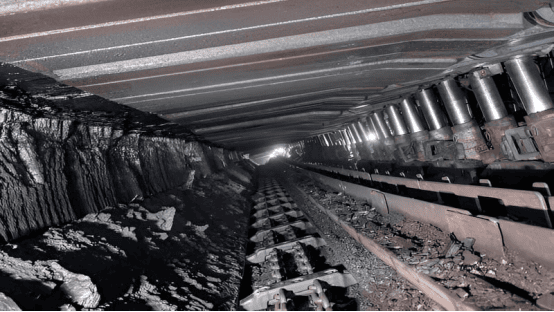
Subsurface mining is a method of extracting minerals from deep underground. It involves digging vertical shafts or tunnels to reach deposits that lie far below the Earth’s surface. This method is used when the minerals are too deep for surface mining methods like strip mining or open pit mining.
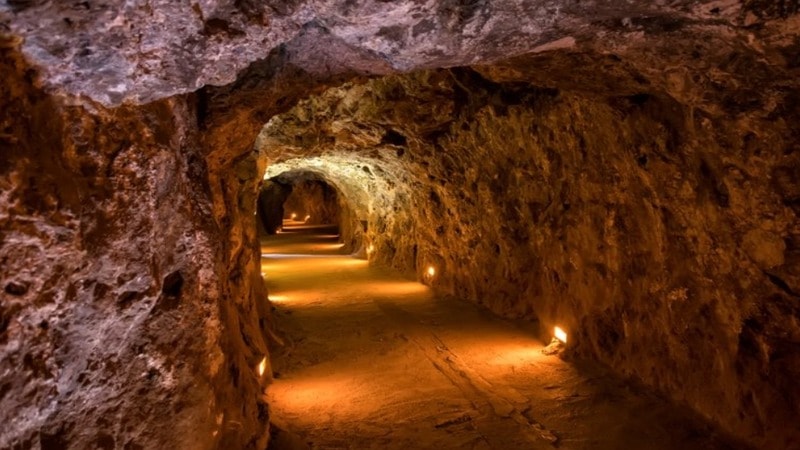
Common materials extracted this way include coal, gold, iron ore, salt, and diamonds. Subsurface mining uses different methods such as longwall mining, room and pillar, and block caving. Each method depends on how the mineral deposit is shaped and how deep it is.
These mining operations require specialized equipment, ventilation systems, and strong safety measures. They reduce surface disruption but pose risks like gas leaks, cave-ins, and groundwater contamination.
The Pros of Subsurface Mining
Subsurface mining plays a major role in modern mining operations where deposits are located far beneath the Earth’s surface. These subsurface mining methods allow access to valuable minerals while reducing damage to the environment and surrounding communities.
Minimal Surface Disturbance and Environmental Impact
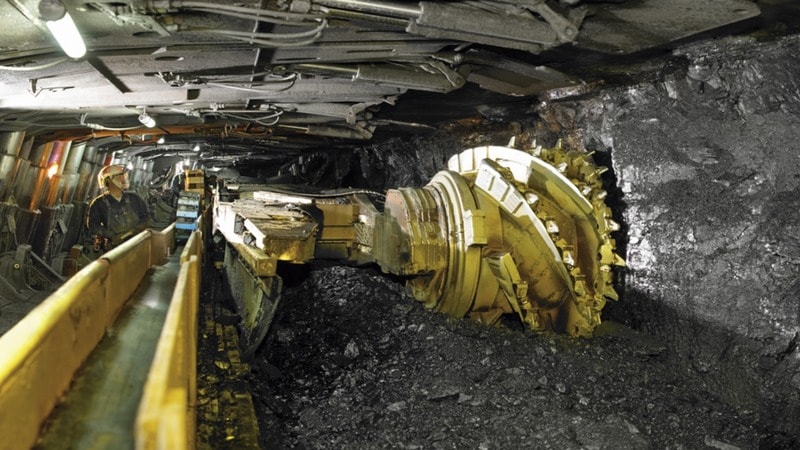
One of the key advantages of subsurface mining is the limited disturbance it causes to the surface of the land. Because the mining process happens underground, there is less damage to natural landscapes, ecosystems, and surface-level resources.
- Less Land Occupation: Subsurface mining operations use less land compared to surface mining. Since the work happens underground, there is less clearing of forests or farmland. This helps protect natural habitats, soil fertility, and the health of local ecosystems.
- Reduced Landscape Impact: Because there is no large open pit or mountain removal, the surface looks mostly untouched. This lowers the risk of habitat destruction, land degradation, and visual damage to the environment.
- Noise and Dust Control: Most of the mining process occurs below ground, which means less dust, noise, and air pollution reach the surface. This makes subsurface mining safer for local communities and wildlife living nearby.
Access to Deep and Higher Ore Quality
Subsurface mining allows access to minerals that lie deep beneath the surface, often beyond the reach of surface mining techniques. These deeper layers tend to hold higher-grade ore and more concentrated deposits.
- High Resource Utilization: Subsurface mining involves going deep into the ground to reach horizontal or vertical deposits. This allows mining companies to target high-value resources that surface methods cannot reach.
- Higher Ore Quality: Materials extracted from deep underground are often high-grade ore. These are richer in valuable elements like gold, coal, or iron.
- Higher Recovery Rates: Because underground mining is more precise, it results in higher recovery rates and less wasted material. This improves the overall efficiency of mineral extraction.
Less Affected by Weather Conditions
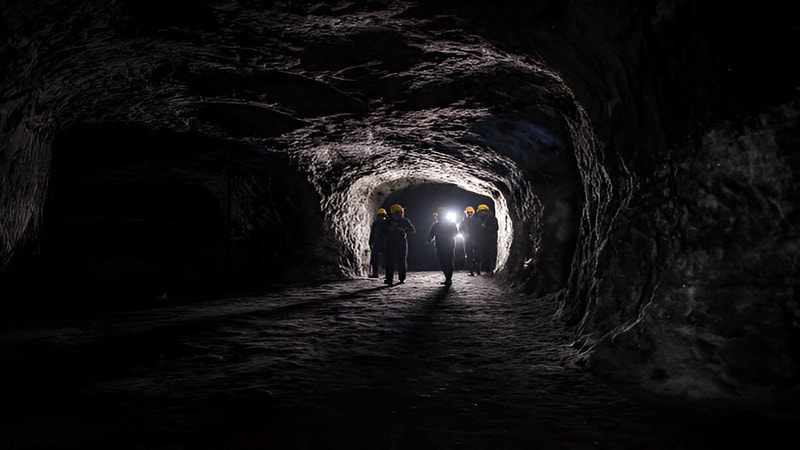
Another significant advantage of subsurface mining is its resistance to weather disruptions. Surface mining operations often stop during heavy rain, snow, or extreme heat.
- Continuous Operation: Unlike surface mining, subsurface mining is not delayed by rain, snow, or extreme heat. The underground tunnels protect the work area, allowing for steady production.
- Fewer Weather Interruptions: Since the mine is below the surface, changing seasons or bad weather have little effect. This ensures smoother operations and helps meet production targets.
- Lower Overburden Removal: In surface mining, large amounts of unproductive material (called overburden) must be removed to reach the ore. This process damages the land and creates additional waste.
- Less Waste Removal: Subsurface mining removes less overburden—the useless rock and soil above the ore. This cuts down on unnecessary digging and saves energy.
- Targeted Extraction: The mining is more focused. Instead of clearing a large area, miners can go straight to the coal seam or valuable deposit, reducing damage to the land and lowering environmental pollution.
Social and Economic Benefits
Subsurface mining provides stable employment in regions where job opportunities may be limited.
- Employment Stability: These mining operations often last many years, offering long-term jobs for local people. This helps support the community and local economy.
- High Skill Demand: Underground mining requires trained workers to operate advanced technology, manage ventilation systems, and follow safety measures. This increases demand for skilled labor and improves job quality.
Subsurface mining offers clear benefits. It causes less damage to the earth’s surface, reaches deeper and richer mineral deposits, and supports continuous work with fewer weather delays. It also creates stable, skilled jobs while reducing surface disruption and environmental risks.
The Cons of Subsurface Mining

While subsurface mining offers many advantages, it also brings serious drawbacks. These challenges often involve greater risks, costs, and complexity. The deeper the mine, the harder and more expensive it becomes to manage efficient and safe mining operations.
Health and Safety Risks
Worker safety is the foremost concern in underground mining. Operating beneath the earth’s surface exposes personnel to several high-risk conditions.
- Cave-ins and Rock Bursts: Deep tunnels are prone to collapses, placing workers in immediate danger. Sudden shifts in rock pressure can trigger rock bursts without warning.
- Toxic and Explosive Gas Exposure: Gas leaks, particularly methane in coal seams, can lead to explosions or suffocation. Adequate ventilation systems are essential, but not always failproof.
- Respiratory Diseases: Long-term exposure to fine dust and harmful substances may result in serious respiratory conditions, including silicosis and other health risks.
- Emergency Response Challenges: When incidents occur, reaching affected zones in time is difficult. The depth and layout of subsurface mining operations hinder quick rescue efforts.
Environmental Risks Below Ground
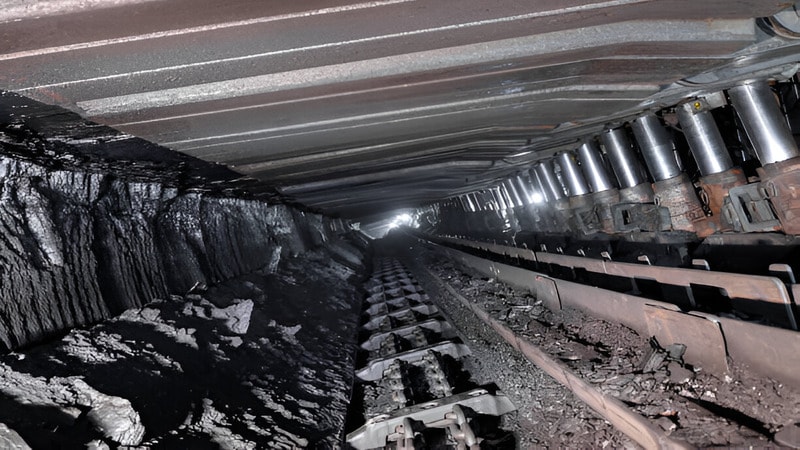
Though it causes less surface disturbance, subsurface mining can harm the environment in less visible but serious ways.
- Groundwater Contamination: Acid mine drainage from sulfide-bearing rocks can pollute aquifers. This leads to long-term water pollution in surrounding areas.
- Land Subsidence: Mining voids can cause the ground above to sink or collapse. This disrupts surface structures and natural habitats.
- Waste Rock and Tailings Disposal: Managing waste rock and tailings either underground or at the surface poses environmental challenges. Poor handling leads to soil erosion and contamination.
- Methane Emissions: Coal mining releases trapped methane, a potent greenhouse gas. These emissions contribute to climate change and increase environmental concerns.
High Construction and Operating Costs
Subsurface mining methods demand greater capital compared to surface mining. From setup to daily operations, the costs are consistently higher.
- High Initial Investment: Establishing vertical shafts, horizontal deposits, and support infrastructure requires major investment. The process is time-consuming and labor-intensive.
- Elevated Operating Expenses: Continuous maintenance, power consumption, and environmental controls lead to high running costs. Subsurface sites require more energy than open-pit mining.
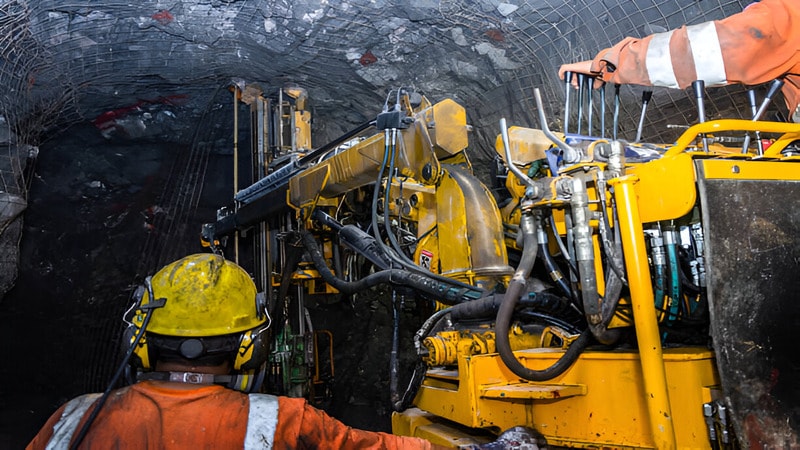
- Expensive Equipment: Hydraulic drilling rigs, continuous miners, and tunneling machines are costly to purchase and maintain. Transport systems and safety gear further increase expenses.
Lower Production Efficiency
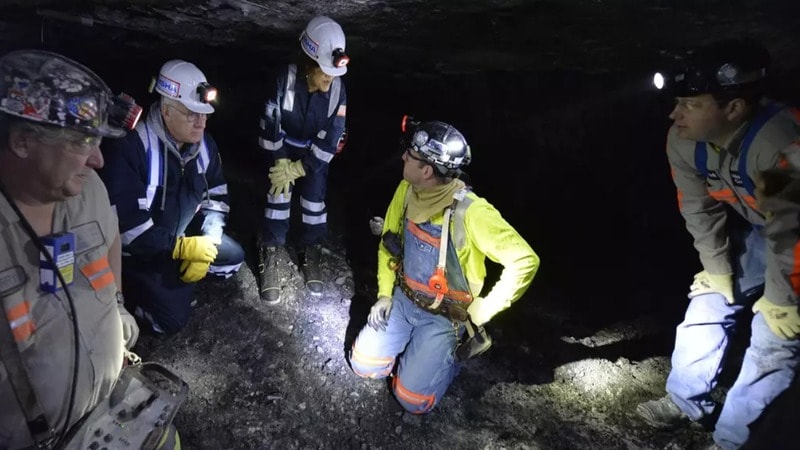
Despite reaching valuable resources, subsurface mining often results in lower productivity than surface mining.
- Limited Mechanization: Tunnel dimensions restrict the use of large machines. This limits the level of automation and slows progress.
- High Operational Complexity: Every stage from building tunnels to mineral extraction involves more planning, logistics, and oversight.
- Reduced Output per Unit: Ore recovery per worker or hour is usually lower than in surface mining. This limits overall mineral extraction rates.
Specialized Labor Requirements
Operating in underground mining environments demands experience and technical expertise.
- Trained Personnel Needed: Workers must understand advanced technology, ventilation systems, and strict safety measures. This narrows the talent pool.
- Limited Workforce Availability: Few workers are qualified or willing to operate in high-risk, enclosed conditions. This increases recruitment and training costs.
Long Development Timeline
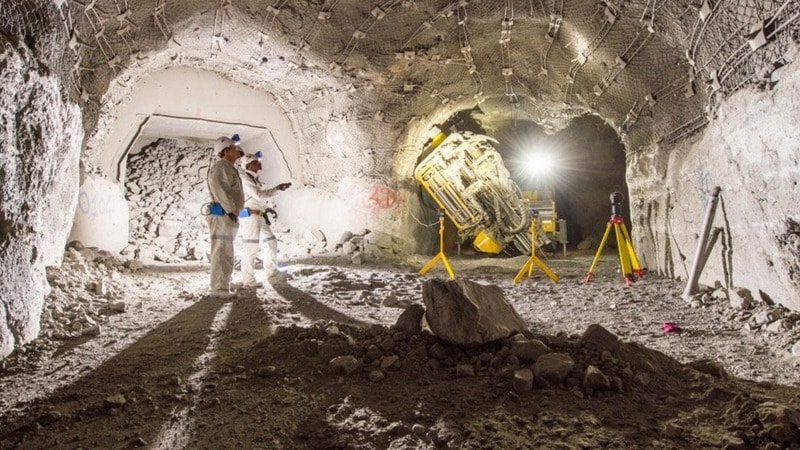
Developing a subsurface mining operation takes time. The delay from exploration to revenue generation can stretch over several years.
- Extensive planning and regulatory approvals
- Long excavation and setup period
- Delayed return on investment
Though subsurface mining enables access to deep mineral deposits with less surface disturbance, it also brings significant challenges in safety, cost, and environmental management. Addressing these drawbacks is essential for ensuring responsible and sustainable resource extraction.
Conclusion
Subsurface mining offers access to deep and valuable resources while minimizing surface disruption. It is often preferred when surface mining methods are not viable due to the depth of the mineral deposits. However, these benefits come with serious trade-offs. Subsurface mining operations pose major safety risks, including cave-ins, gas leaks, and long-term health hazards for workers.
Choosing to use subsurface mining methods depends on many factors, especially geology, economic viability, and ore quality. To be conducted responsibly, such mining operations must follow strict safety measures, use advanced technology, and apply sustainable practices to reduce their environmental impact.
Explore Advanced Subsurface Mining Solutions with HWDRILL
Looking to improve the safety, efficiency, and precision of your subsurface mining operations? HWDRILL offers high-performance hydraulic drilling rigs, tunneling equipment, and mineral extraction tools engineered for deep and demanding environments.
- Optimize resource recovery with specialized equipment
- Enhance worker safety using modern technology
- Reduce downtime and increase productivity underground
Contact us today to discover reliable tools for all your underground mining needs