
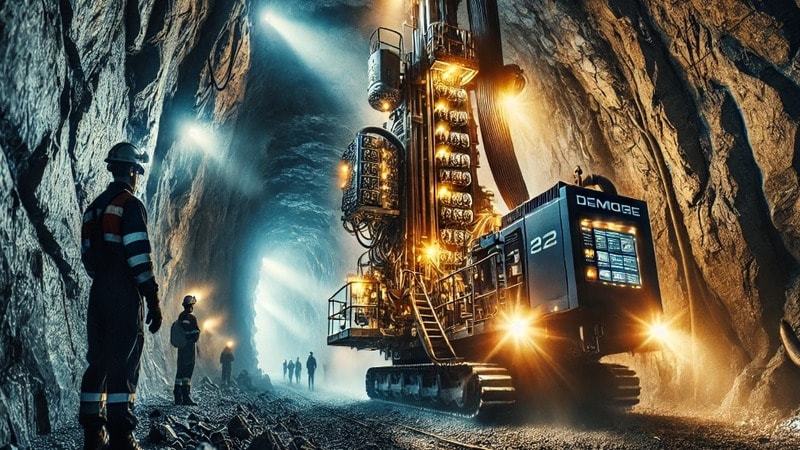
An underground drill rig is a machine used for deep drilling. They help create blast holes, extract minerals, and ensure the stability of underground structures. More importantly, these rigs are designed to operate in confined spaces, making them vital for efficient and safe underground mining operations.
The mining industry is valued at over $1 trillion globally, with underground mining playing a major role in resource extraction. In mining, underground drill rigs serve multiple purposes. For instance, they are used for ventilation drilling, rock exploration, and tunnel reinforcement.
However, modern underground drill rigs come equipped with advanced systems. They improve drilling precision and minimize environmental impact. This guide explains how these rigs work, their key components, types, and uses in underground mining.
What is an Underground Drill Rig?
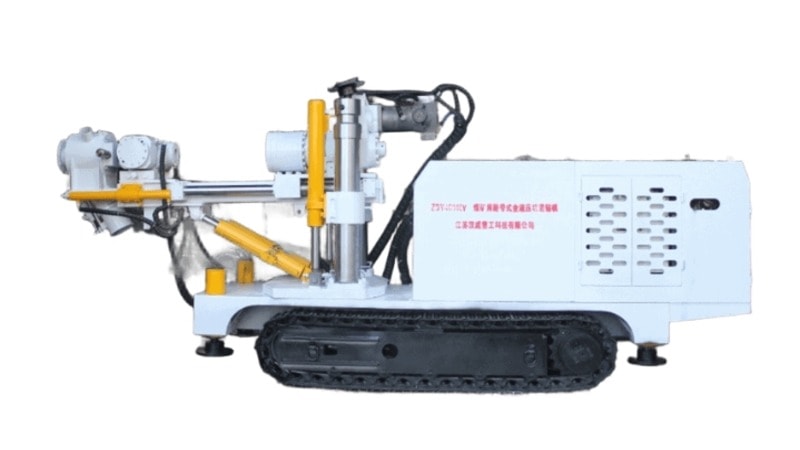
An underground drill rig eases deep drilling in tunnels and mines. It creates blast holes, explores rock formations, and extracts valuable minerals. These drilling rigs operate in tight underground spaces, making them essential for mining operations, tunnel construction, and resource extraction.
It improves efficiency and safety in subsurface mining. Infact, automated underground drilling rigs have been shown to improve productivity by up to 30%. Face drilling rigs help create tunnels, while other rigs assist in rock drilling, bolting, and exploration. Drill rigs are also crucial in coal mining, where they drill holes for gas extraction and ventilation. This reduces risks and ensures smooth operating conditions.
Here are some key features:
- Enhanced Safety: Advanced automation, dust suppression, and gas detection minimize underground risks.
- Adaptability: Designed for narrow tunnels and challenging conditions, with adjustable drilling angles.
- High Efficiency & Precision: Automated controls improve accuracy, reducing material waste and downtime.
- Cost-Effective Operations: Boosts productivity while lowering operational and maintenance costs.
- Environmental Considerations: Features like dust control and energy-efficient systems reduce environmental impact.
How Does an Underground Drill Rig Work?
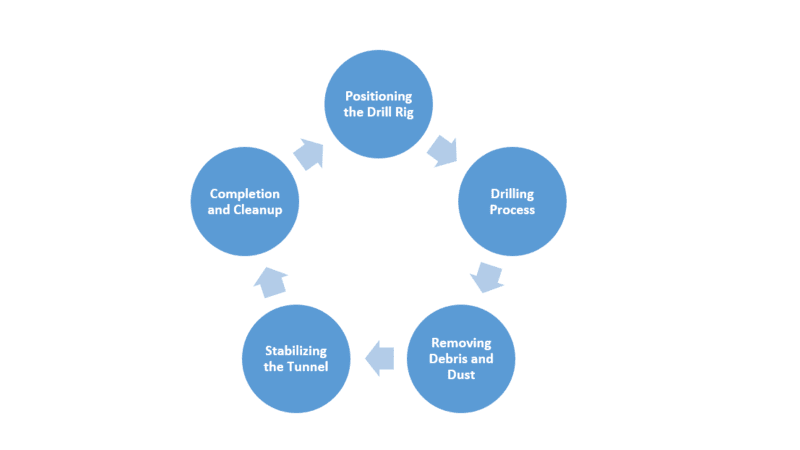
An underground drilling rigs follow a step-by-step process to ensure efficient and precise drilling. These machines are designed to work in confined underground spaces while maintaining safety, stability, and productivity.
Positioning the Drill Rig
Operators move the underground drill rig to the drilling site, adjust the machine to ensure accuracy, set the feed length, and secure the rig before drilling starts. A well-placed drill rig creates precise holes. Even a small mistake can affect the entire job. New drilling rigs use automation for better accuracy and fewer errors.
Drilling Process
Once in place, the drilling rig starts cutting into rock. Operators choose rotary drilling for soft ground and blast drilling for hard surfaces. The rock drill spins and pushes down to make holes. A hydraulic system controls speed and depth. Good drilling improves production and keeps mining operations running smoothly.
Removing Debris and Dust
Drilling leaves behind dust and debris. The drill rig uses air or water to clear holes, preventing blockages and keeping drilling efficient. Modern drilling rigs have dust control systems to improve air quality. Less dust makes work safer and easier. In coal mining, dust control is critical for safety.
Stabilizing the Tunnel
Tunnels need support after drilling. Operators install bolts or supports to prevent collapses. Strong tunnels protect workers and allow underground mining to continue without delays. Stability is key, especially in weak rock formations.
Completion and Cleanup
Once the borehole reaches the required depth, the final stage involves withdrawing the drill rods and the drill bit. Depending on the purpose of the drilling, the borehole may be left open, reinforced, or sealed. The drill rig is then cleaned and relocated for the next drilling task.
Key Components of an Underground Drill Rig
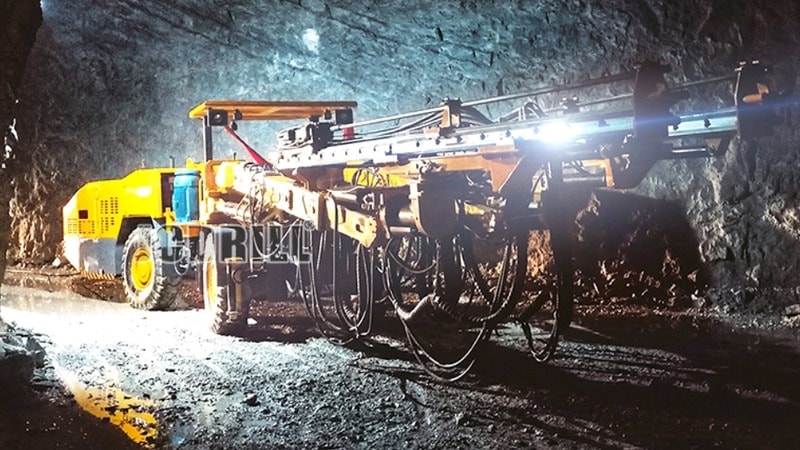
To understand how an underground drill rig operates efficiently, it’s important to know its key components. Each part plays a crucial role in ensuring precision, safety, and performance.
| Component | Function |
|---|---|
| Drill Rods/Pipes | Transfers rotation and thrust to the drill bit. |
| Drill Bits | Cuts or crushes rock and minerals during drilling. |
| Drill Mast/Boom | Positions and stabilizes drilling tools accurately. |
| Hydraulic System | Powers drilling movements and controls precision. |
| Control Panel | Allows operators to manage drilling functions. |
| Power Unit | Supplies energy (diesel, electric, or hybrid). |
| Dust Suppression System | Minimizes airborne dust for safety. |
Types of Underground Drilling Rigs
Here are different types of underground drilling rigs:
Mining Drill Rigs
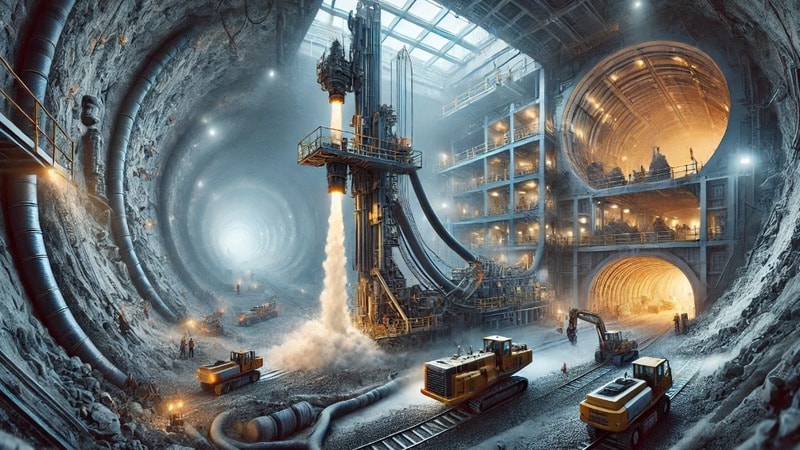
Mining drill rigs are essential for underground resource extraction. They create blast holes for ore removal, ventilation, and infrastructure development. These rigs use, drilling pipes and high-performance drill bits to penetrate tough surfaces. These rigs also assist in gas extraction in coal mines by drilling boreholes to release trapped gases. Common types include:
- Longhole Drill Rigs – Used for drilling deep, narrow blast holes in hard rock mining.
- Jumbo Drill Rigs – Equipped with multiple booms for face drilling in large tunnels and mines.
- Raise Boring Machines – Used for drilling vertical or inclined shafts for ventilation and ore transport.
Tunnel Drill Rigs
Tunnel drill rigs are designed for infrastructure projects like roads, railways, and hydropower tunnels. They allow precise drilling in confined underground spaces, ensuring smooth tunnel development. Common types include:
- Jumbo Drilling Rigs – Feature multiple drilling arms for high-speed tunnel excavation.
- Horizontal Drill Rigs – Used for drilling in restricted areas where vertical rigs are not suitable.
Rock Bolting Drill Rigs
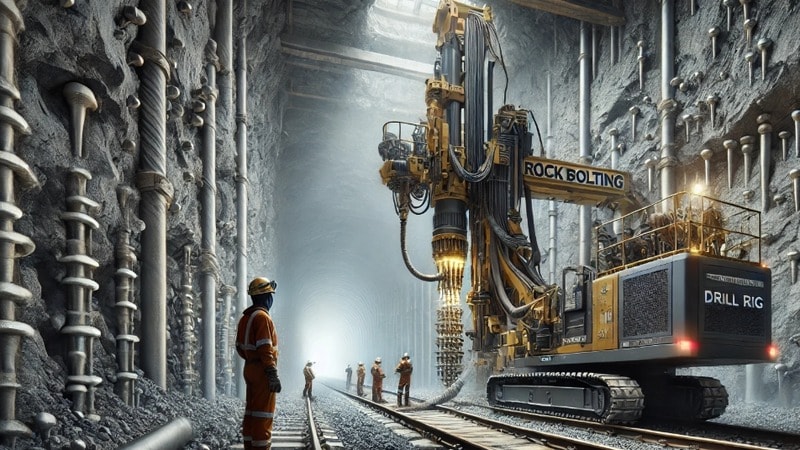
Rock bolting drill rigs reinforce underground tunnels and mining shafts by installing rock bolts. This prevents collapses and enhances structural stability. They are crucial for maintaining safety in deep mining operations. Common types include:
- Single-Boom Bolting Rigs – Suitable for smaller tunnels and localized reinforcement.
- Multi-Boom Bolting Rigs – Designed for large-scale mining operations requiring rapid stabilization.
Geothermal Drill Rigs
Geothermal drill rigs are used for drilling deep boreholes to harness underground heat for energy production. They support both surface and underground geothermal projects. Common types include:
- Rotary Drilling Rigs – Ideal for deep geothermal wells requiring continuous drilling.
- Core Drilling Rigs – Used for exploratory drilling to assess geothermal reservoir potential.
Applications of Drill Rigs
Underground drill rigs serve various industries, ensuring safe and efficient excavation, exploration, and construction. Their role varies depending on the specific needs of each sector.
Geotechnical and Exploration Drilling
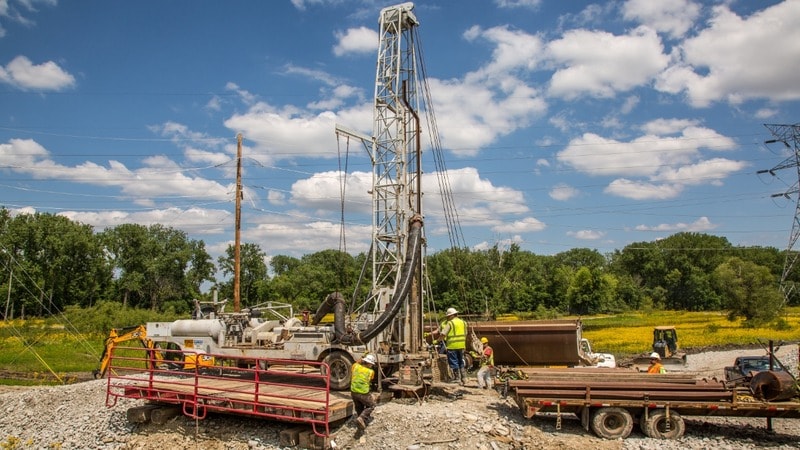
Before any underground project begins, engineers need to understand the ground conditions. Geotechnical drill rigs collect rock and soil samples to assess stability, groundwater presence, and mineral composition.
This data helps in designing strong foundations for buildings, tunnels, and mines. In mineral exploration, core drilling rigs extract deep rock samples to locate potential mining sites, reducing the risks of unprofitable excavation.
Tunneling and Construction
In large-scale infrastructure projects, underground drilling rigs create openings for roadways, rail networks, and pipelines. These rigs drill precise holes for controlled blasting, shaping tunnels with minimal disruption to surrounding structures.
They also install reinforcement systems, such as rock bolts and mesh, to strengthen tunnel walls. Their accuracy and speed ensure efficient excavation while maintaining structural integrity.
Metal Mining
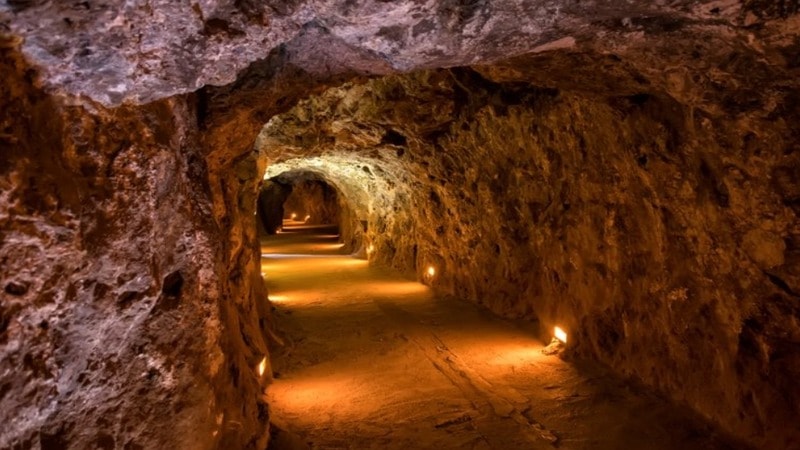
Extracting metals like copper, gold, and iron requires powerful drilling rigs capable of reaching deep underground deposits. Borehole drilling rigs break apart ore-rich rock formations, allowing miners to retrieve valuable minerals.
Longhole drilling rigs assist in creating ventilation systems and access points in deep mines. Advanced rigs also integrate automation, improving drilling efficiency and worker safety in high-risk environments.
Coal Mining
Coal mining operations rely on specialized drill rigs to access and extract coal seams. These rigs drill blast holes for efficient fragmentation, making coal extraction faster and more cost-effective.
Additionally, they are used for degasification, a process that removes methane from coal beds to reduce explosion risks. In deep coal mines, directional drilling technology helps locate untapped reserves without disturbing existing operations.
Underground Drill Rigs in Coal Mining
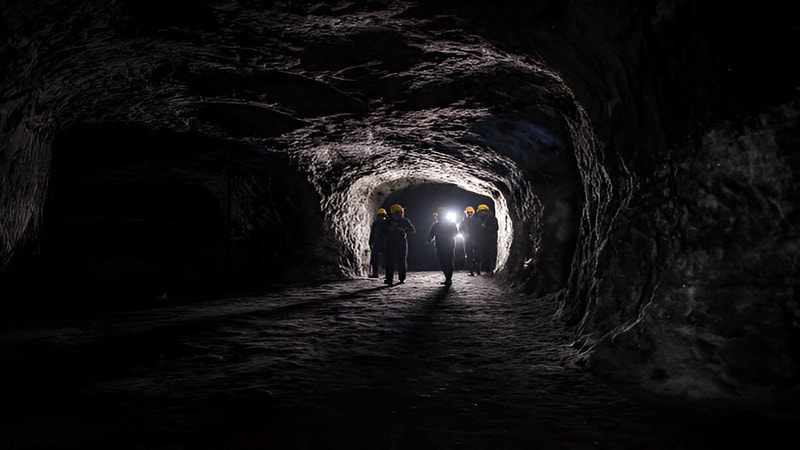
Operating in underground coal mines comes with significant risks, requiring advanced drilling technology to enhance both safety and efficiency. Specialized drill rigs play a vital role in addressing these challenges, from managing methane gas to reinforcing mine stability.
Key Challenges in Underground Coal Mining
- Methane Gas Accumulation – Coal seams naturally release methane, which can lead to hazardous explosions if not properly managed.
- Restricted Space & Ventilation – Limited working space and airflow require compact and efficient drilling solutions.
Essential Applications of Drill Rigs in Coal Mining
- Ventilation Boreholes – Effective gas drainage is crucial in coal mines. Underground drill rigs create boreholes to extract methane, preventing dangerous gas buildup and improving air quality.
- Exploration Drilling – Core drilling is used to assess coal seam depth, thickness, and quality. This data helps mining companies plan efficient extraction strategies.
- Roof Bolting – Stability is key in underground tunnels. Drill rigs reinforce mine roofs by installing rock bolts, reducing the risk of collapses and ensuring worker safety.
How Underground Drill Rigs Improve Coal Mining Operations
- Continuous Gas Extraction – Specialized rigs drill and remove gas simultaneously, preventing disruptions.
- Optimized Safety Standards – Reduces explosion risks through controlled ventilation and structural reinforcement.
- Enhanced Productivity – Precise drilling allows for faster coal extraction while maintaining operational stability.
In North Goonyella, a major underground coal mine in Queensland, faced a significant challenge with methane gas accumulation. In 2018, excessive gas levels led to an underground fire, forcing the mine to halt operations for over a year.
To prevent similar incidents, the mine integrated automated underground drill rigs for continuous gas drainage. These rigs were equipped with precision drilling technology to create ventilation boreholes, allowing controlled methane extraction.
Outcome:
- Methane levels were reduced by over 40%, significantly lowering explosion risks.
- The mine resumed operations safely and improved compliance with safety regulations.
- Automated drilling rigs increased efficiency, enabling faster and safer coal extraction.
Technological Innovations in Underground Drill Rigs

Modern underground drill rigs are transforming mining with cutting-edge technology.
- Automation & Remote Control: Operators can control rigs from a safe distance, reducing direct exposure to hazardous environments. Automated drilling also enhances precision and productivity.
- Real-Time Monitoring & Diagnostics: Smart sensors continuously track drilling performance, detect faults early, and optimize operations. This innovation has led to a 25% reduction in workplace accidents, improving safety in underground mining.
- Sustainability & Energy Efficiency: Advanced rigs now feature electric power systems, regenerative braking, and dust suppression technologies, minimizing environmental impact while maintaining efficiency.
Maintenance and Safety Practices for Underground Drill Rigs
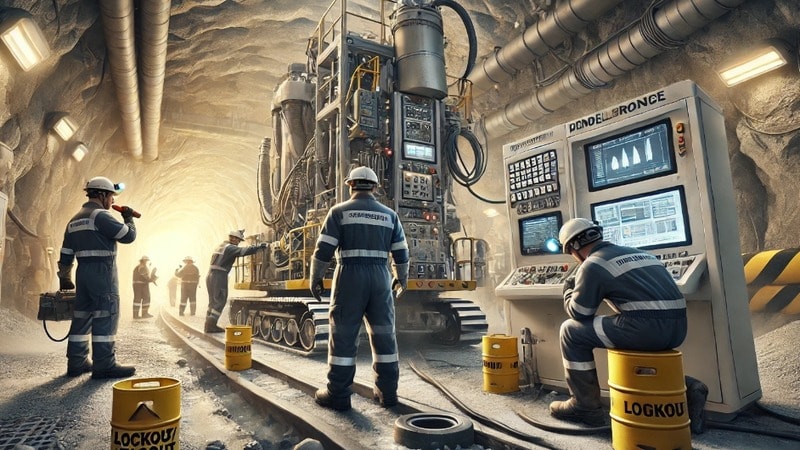
Proper maintenance is key to keeping underground drill rigs running efficiently. Here are some essential maintenance tips and safety practices to follow.
- Conduct daily inspections to check for hydraulic leaks, drill bit wear, and system malfunctions.
- Check and replace worn-out seals or hoses.
- Follow regular lubrication schedules to prevent excessive wear on moving parts.
- Keep software updated for automated rigs to ensure optimal performance and safety features remain functional.
- Train operators to handle emergency shutdowns and hazardous conditions.
- Ensure proper ventilation and dust suppression to protect workers.
- Implement strict lockout/tagout procedures before maintenance work.
- Ensure cooling systems function properly and avoid prolonged operation at high speeds.
Choosing the Right Underground Drill Rig for Your Needs
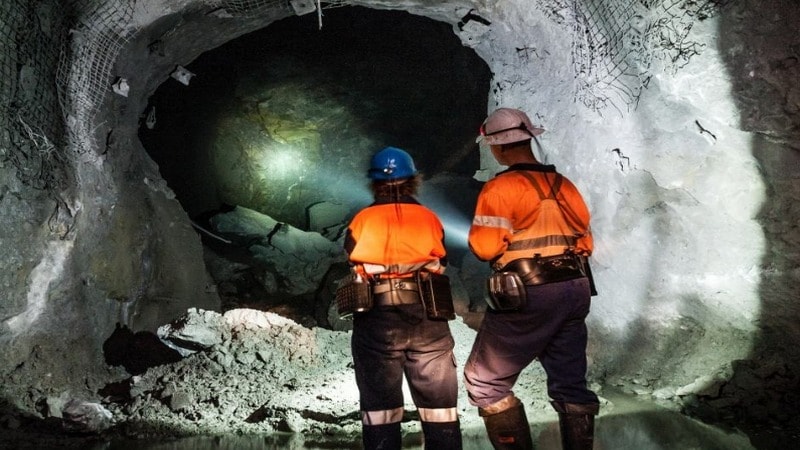
Selecting the right underground drill rig depends on several key factors. The choice directly impacts drilling efficiency, safety, and long-term operational costs. Here are the critical aspects to consider:
- Type of Rock or Material – Different formations require specific drill rigs. Hard rock demands powerful rigs with reinforced drill bits, while softer materials need precision drilling systems.
- Drilling Depth and Diameter – The required borehole size and depth influence the choice of rig, ensuring it meets project specifications.
- Mobility and Maneuverability – Underground environments are often confined, requiring compact rigs with excellent maneuverability to navigate narrow tunnels and work efficiently.
- Safety Standards and Compliance – The rig should meet industry safety regulations to ensure a secure working environment for operators.
- Choosing the Right Supplier – A reliable supplier provides high-quality rigs, strong after-sales support, and service guarantees, ensuring long-term performance and minimal downtime.
By evaluating these factors, operators can select a drill rig that maximizes productivity and meets project requirements effectively.
Conclusion
Underground drill rigs are essential for safe and efficient mining operations. They support various applications, from tunnel construction to resource extraction and gas drainage. With advancements in automation, remote control systems, and environmental safety features, modern drill rigs offer improved reliability, reduced operational costs, and enhanced worker safety.
Companies that invest in advanced drilling technology benefit from increased productivity, safer working conditions, and better compliance with environmental regulations.
Optimize Your Underground Drilling with Hwdrill
Hwdrill offers cutting-edge underground drill rigs designed for precision, efficiency, and safety. Our equipment is built to handle the toughest underground conditions while maximizing productivity. Contact us today to find the right drill rig for your needs