
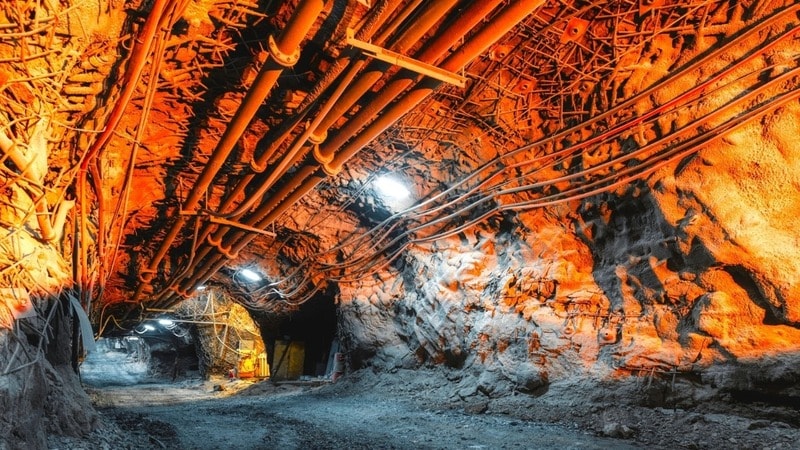
Subsurface mining extracts minerals from beneath the earth’s surface. It relies on tunnels and shafts instead of open-pit methods.
The global mining industry contributes approximately 15% of the world’s GDP, with subsurface mining playing a significant role in extracting high-value resources. This method allows access to valuable deposits that surface mining cannot reach. It uses specialized equipment like drilling rigs and blasting tools to extract resources efficiently.
In this blog post, we will explore subsurface mining in detail. You will learn about its methods, equipment, benefits, and challenges. Whether you are an industry expert or just curious about the mining process, this guide offers a clear and informative overview.
What is Subsurface Mining?

Subsurface mining, also called underground mining, is used to extract minerals buried deep beneath the earth’s surface. Unlike surface mining, which removes minerals from shallow depths, this method requires digging tunnels or shafts to reach the ore.
It is commonly used for coal, gold, and other valuable minerals that surface mining methods cannot access. In fact, Underground mining is significant, particularly in regions where coal deposits are deeper.
The mining process starts with drilling to locate mineral-rich areas. Once identified, tunnels and vertical shafts are created to access the deposits. Miners use drilling rigs, blasting techniques, and heavy machinery to break and transport the ore. Ventilation systems ensure fresh air reaches underground workers, reducing the risk of harmful gas exposure.
What’s the Difference Between Subsurface Mining and Surface Mining?
The difference between subsurface mining and surface mining lies in how minerals are extracted from the earth.
| Feature | Subsurface Mining | Surface Mining |
|---|---|---|
| Definition | Extracts minerals from deep underground. | Extracts minerals from near the surface. |
| Mining Depth | Deeper deposits, often over 100 meters. | Shallow deposits, usually within 100 meters. |
| Methods Used | Room and pillar, longwall, block caving. | Open-pit, strip mining, mountaintop removal. |
| Equipment | Drilling rigs, tunnels, ventilation systems. | Excavators, haul trucks, draglines. |
| Safety Risks | Cave-ins, gas leaks, ventilation issues. | Landslides, dust exposure, noise pollution. |
| Environmental Impact | Less surface damage but can cause subsidence. | More land disturbance and habitat destruction. |
| Cost | Higher due to complex infrastructure. | Lower as excavation is easier. |
| Efficiency | Slower and more labor-intensive. | Faster with large-scale operations. |
| Common Minerals | Coal, gold, diamonds, zinc, lead. | Copper, iron, bauxite, limestone. |
| Worker Safety | Higher risk due to confined space. | Relatively safer with open workspaces. |
How Underground Mining Works?
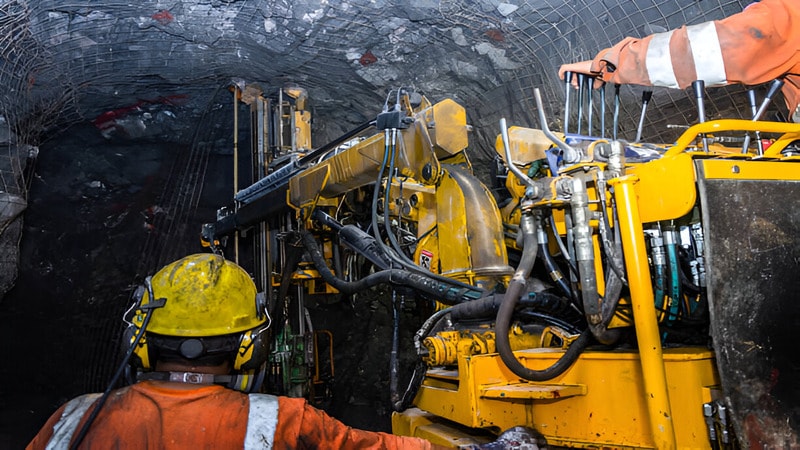
Underground mining requires specialized tools and machinery. Here is the list of tools you need to gather before starting the operation:
- Drill Rigs
- Explosives
- Blasting Caps
- Loaders and Haul Trucks
- Conveyor Belts
- Shovels and Hydraulic Jumbos
- Ventilation Fans
- Gas Detectors
- Roof Support Systems
- Protective Gear
- Crushers and Grinders
- Chemical Treatment Systems
- Waste Disposal Units
Steps of Underground Mining
Underground mining involves following key steps:
Exploration and Site Preparation
The underground mining process begins with exploration to locate valuable minerals. Geologists analyze rock samples and underground formations to confirm the presence of ore. Once a site is selected, workers prepare the area by clearing land, building access roads, and installing safety measures. They also set up drilling and blasting equipment to begin excavation.
Shaft Sinking and Tunnel Development
Miners create deep access points using vertical shafts and tunnels. Drilling is used to make entry points, and controlled blasting helps break through hard rock formations. To ensure stability, tunnels are reinforced with support structures, preventing collapses and ensuring safe movement for miners and machinery.
Ore Extraction
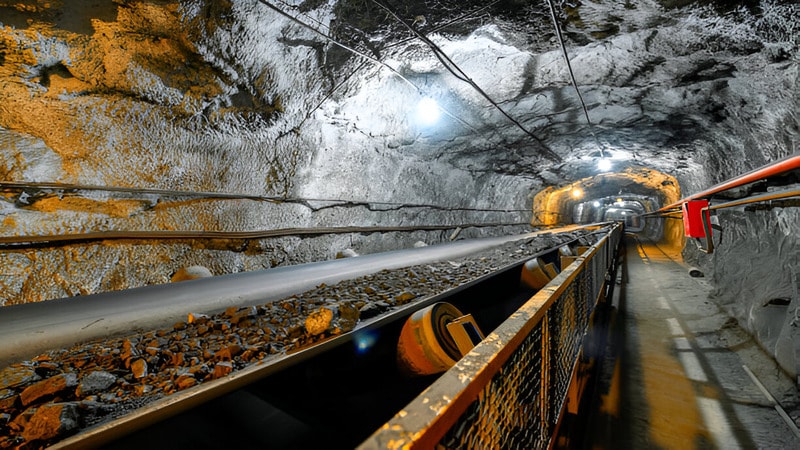
Once tunnels reach the ore deposits, miners begin the extraction process. Drilling and blasting loosen the ore, making it easier to remove. Loaders and haul trucks transport the extracted material, while conveyor belts move it efficiently to the processing facility. This stage is crucial for obtaining large amounts of minerals while maintaining operational efficiency.
Mineral Processing and Waste Handling
After extraction, the ore undergoes processing to separate valuable minerals from waste rock. The material is first crushed and ground into smaller pieces. Chemical separation techniques are then applied to extract metals. Proper waste disposal methods are used to manage leftover materials, reducing environmental impact.
Site Closure and Land Restoration
Once mining is complete, the site must be properly closed and restored. Tunnels are filled to prevent subsidence, and water sources are cleaned to remove contaminants.
Replanting vegetation helps restore the ecosystem and minimize the long-term impact on the environment. Responsible site closure ensures that mining operations remain sustainable and reduce harm to surrounding habitats.
Types of Subsurface Mining Methods
Here are the main types of subsurface mining:
Longwall Mining
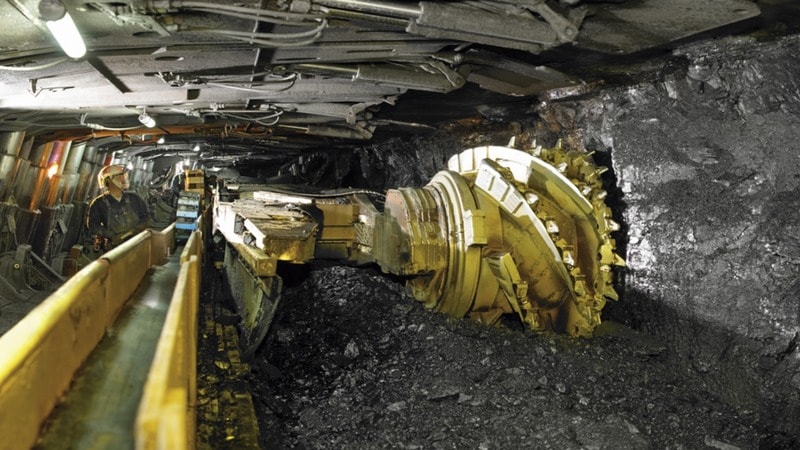
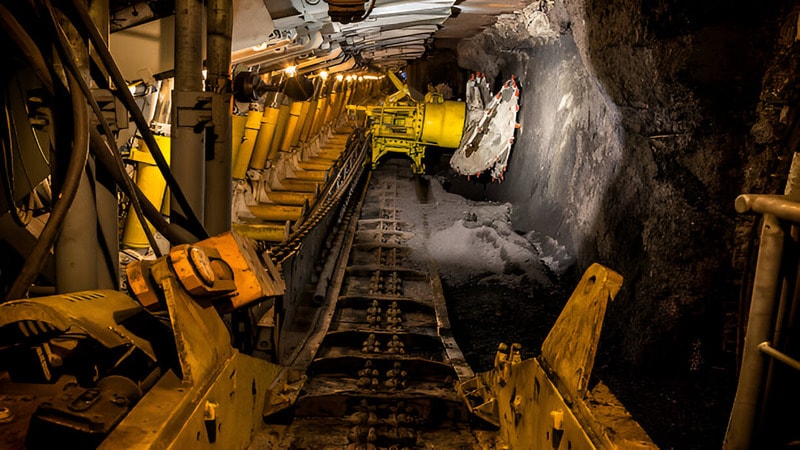
Longwall mining is an advanced technique used primarily in coal mining. It involves a long, continuous mining face supported by hydraulic roof supports. As the ore is extracted, the supports move forward, allowing the mined-out area to collapse in a controlled manner.
This method increases efficiency and reduces waste, making it a preferred choice for large-scale underground mining operations. Compared to surface mining methods, longwall mining minimizes land disturbance but requires significant initial investment in equipment and safety systems.
Room and Pillar Mining
Room and pillar mining is a common method for extracting coal and other minerals from horizontal deposits. Miners create a network of tunnels, leaving behind large columns of ore to support the mine roof.
This method ensures stability while allowing continuous extraction. However, once mining operations end, partial collapse may occur, affecting soil fertility and groundwater. Room and pillar mining is widely used in coal mining due to its efficiency and relatively low risk of subsidence.
Block Caving
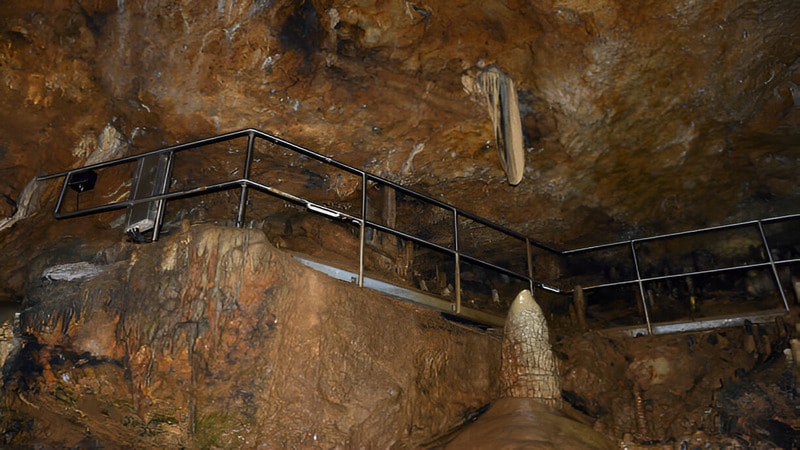
Block caving is a large-scale underground mining method suited for extracting low-grade ore from deep deposits. Miners drill beneath the ore body and use controlled blasting to break it into smaller pieces. Gravity then allows the broken ore to fall into collection points for removal.
This method is cost-effective for mining large amounts of minerals but can lead to surface subsidence, impacting nearby habitats and groundwater levels. Proper planning and monitoring help mitigate environmental risks.
Cut and Fill Mining
Cut and fill mining is commonly used for extracting valuable minerals from irregular or steeply dipping ore bodies. The mining process involves cutting ore in horizontal layers and filling the mined-out area with waste material to provide support.
This method is environmentally friendly as it reduces subsidence and minimizes hazardous conditions for miners. It is often used when ore deposits contain valuable minerals that require careful removal to prevent contamination.
Shaft Mining
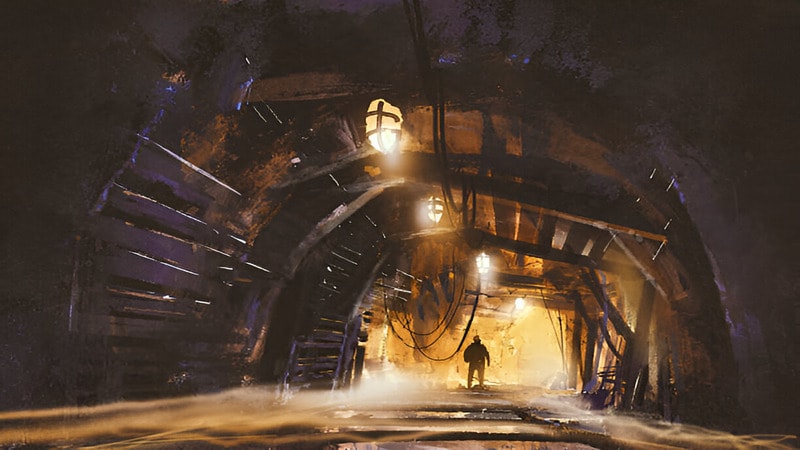
Shaft mining is used to access deep ore deposits through vertical shafts. These shafts provide direct access to mineral-rich zones and allow efficient extraction of minerals such as gold, lead, and copper. Miners use lifts and hoists to transport workers and equipment underground.
This method is ideal for reaching deep deposits but requires strong ventilation systems and safety measures to protect miners from hazardous gases and dust exposure.
What is an Underground Drilling Rig?
An underground drilling rigs is a machine used in subsurface mining to drill through rock and soil. It helps miners reach valuable minerals hidden deep underground. These rigs create tunnels, vertical shafts, and boreholes. Without these rigs, getting to valuable minerals would be much harder and more dangerous.
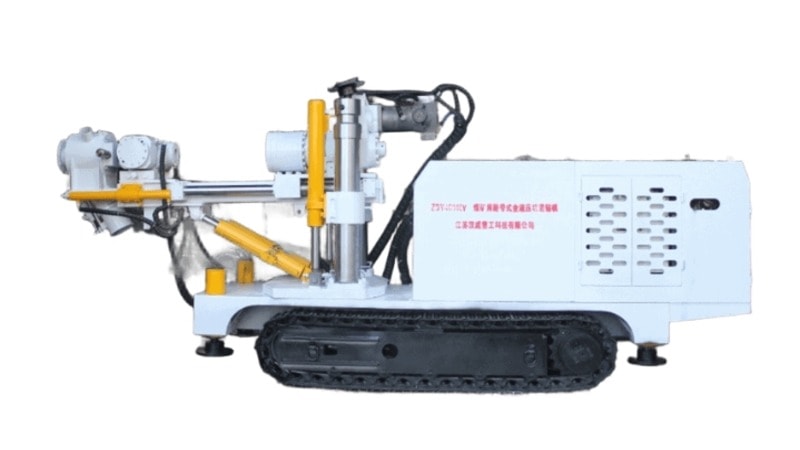
Underground drilling rigs are essential in different mining stages:
- Exploration: Geologists drill test holes to check for minerals. Samples help determine if mining is worth it.
- Development: Rigs create tunnels and shafts, allowing miners to access deep ore. They also help with ventilation and water drainage.
- Production: Drilling rigs prepare the site for blasting, extract ore, and manage underground waste
Modern rigs also reduce environmental impact by using advanced technology for precise drilling. They help miners work faster, safer, and with less waste, making underground mining more efficient and sustainable.
Applications of Subsurface Mining
Its applications span various industries, ensuring the supply of essential raw materials. Here are some key applications:
Coal Mining
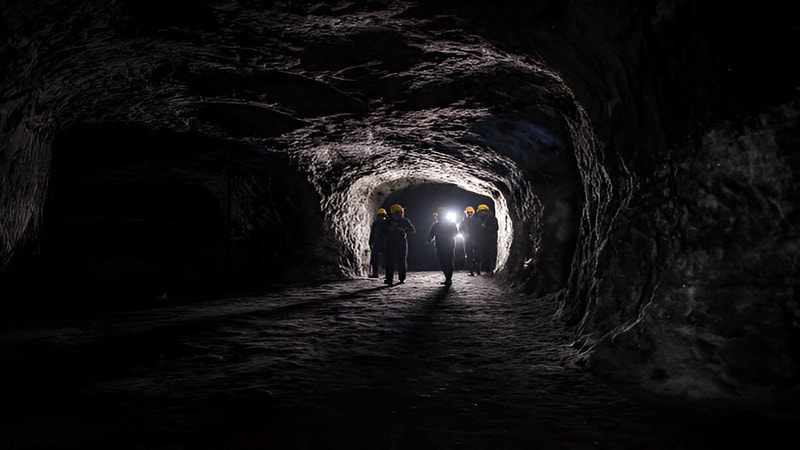
Coal deposits are often found deep beneath the earth’s surface, making subsurface mining a suitable choice. Methods like room and pillar mining and longwall mining allow miners to extract coal efficiently without removing large amounts of soil.
Subsurface mining is often preferred when coal seams are too deep for surface mining methods. However, it requires specialized equipment, such as underground drilling rigs for gas exploration and drainage. It also reduces environmental damage and helps maintain the stability of the land above the mine.
Precious Metals Mining
Gold, silver, and other precious metals are commonly extracted through underground mining. These metals are often embedded in hard rock formations, requiring deep tunnels and shafts for access.
Subsurface mining provides better control over extraction, minimizes surface disruption, and ensures a safer working environment for miners. The use of high-performance drill bits is crucial in the drilling phase, ensuring efficient penetration through hard rock formations.
Mineral Mining
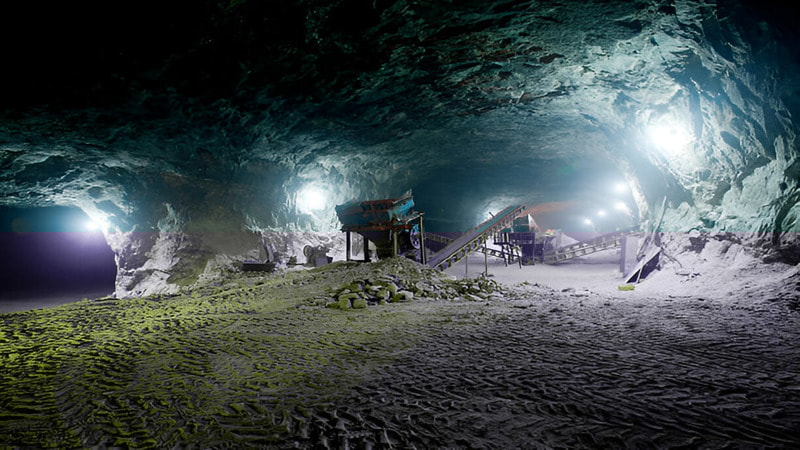
Copper, iron ore, and other industrial minerals are essential for construction, manufacturing, and infrastructure development. Subsurface mining techniques, such as block caving and cut-and-fill mining, allow miners to access these minerals efficiently.
For mineral extraction, drilling pipes are used to transport drilling fluids and support underground drilling operations, ensuring stable and efficient mining processes.
Benefits and Challenges of Subsurface Mining
While subsurface mining offers great advantages, it comes with significant challenges:
Benefits of Subsurface Mining
Subsurface mining offers several advantages:
- Less Damage to Land: Subsurface mining does not require removing large amounts of soil. This helps protect forests, farmland, and human settlements. Furthermore, it does not create massive open pits or destroy natural habitats.
- Access to Deep Ore Deposits: Many valuable minerals like coal, gold, and copper are found deep underground. Subsurface mining allows miners to reach these minerals without disturbing the land above. This makes it the best option for extracting deep resources.
- Less Dust and Waste: Since most work happens underground, subsurface mining creates less dust and waste. This helps keep the air cleaner and reduces environmental pollution. Compared to surface mining, it has a lower impact on air quality.
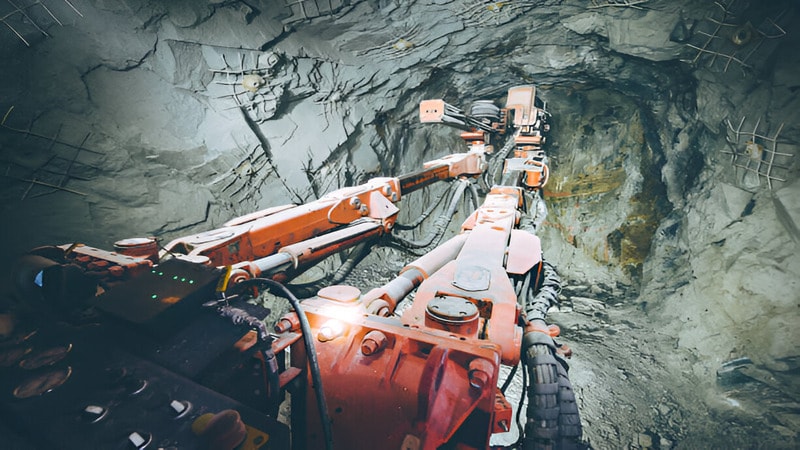
Challenges of Subsurface Mining
Despite its benefits, subsurface mining has several challenges:
- High Costs of Operation: Setting up an underground mine is expensive. It requires special equipment, tunnels, and ventilation systems. The mining process also takes longer, making it more costly than surface mining.
- Safety Risks for Miners: Working in deep tunnels is dangerous. There is a risk of cave-ins, gas leaks, and flooding. Proper ventilation is needed to remove harmful gases and provide fresh air for miners.
- Water Management Issues: Underground tunnels often fill with groundwater. If not removed, this can flood the mine and make work impossible. Pumping out water is expensive and can affect nearby water sources.
Emerging Trends in Subsurface Mining
Subsurface mining is evolving with new technologies and sustainable practices. These advancements make mining safer, more efficient, and less harmful to the environment.
Technological Advancements in Subsurface Mining
Modern mining operations are becoming more efficient with the help of technology. Automated drilling systems reduce the need for manual labor and improve precision.
AI-powered monitoring systems help detect risks like gas leaks and tunnel collapses. Robotics is also playing a big role, allowing miners to work safely from a distance. These advancements make underground mining faster, safer, and more cost-effective.
Sustainable Mining Practices
Sustainability is a major focus in mining today. Companies are adopting eco-friendly methods to reduce environmental impact. Water recycling systems help manage groundwater, while better waste disposal techniques prevent contamination. Some mines are even using renewable energy to lower their carbon footprint. These efforts make subsurface mining less harmful to the environment.
Innovations in Underground Drilling Rigs
Drilling rigs are becoming more advanced and efficient. New models use less energy while drilling deeper and faster. Some rigs now come with remote operation features, reducing the need for workers to enter dangerous areas. These innovations improve safety and make the mining process more productive.
Conclusion
Subsurface mining is a detailed process that needs careful planning and monitoring. It plays a major role in the economy by providing valuable minerals, but it also affects the environment. Knowing the benefits and challenges of underground mining is important for future miners. Safety, efficiency, and environmental impact must always be considered.
Using modern technology and eco-friendly methods can help reduce harm to the land and water. With responsible mining practices, the industry can continue to meet global needs while protecting the planet.
Take Your Subsurface Mining Operations to the Next Level with Hwdrill
If you’re looking for reliable underground drilling solutions, Hwdrill.com has you covered. Whether it’s precision drilling, durability, or efficiency, their cutting-edge rigs help miners work smarter, not harder. Contact us today take your mining operations to the next level.