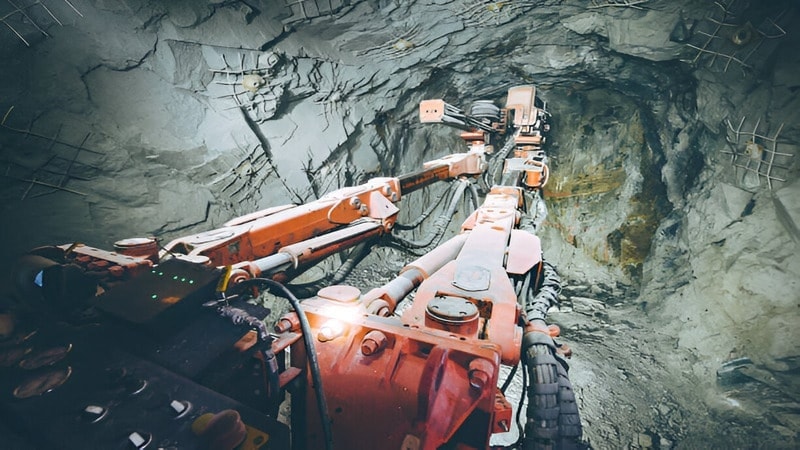
Directional drilling technology for coal mines has changed the game. By guiding the drill bit along a planned path, this method enables the extraction of long coal seams while minimizing pressure risks and enhancing extraction efficiency.
In many coal mines, the struggle to balance safety and output remains huge. More than 60% of U.S. coal production now comes from underground mines, where different technologies play a major role in safer gas drainage and improved recovery rates. Miners must battle black lung, unstable roofs, and shifting pressure while trying to tap deep deposits. A single slip, blowout, or gas surge can halt production and pose a risk to lives.
In this article, we’ll explore directional drilling as a modern innovation reshaping the mining industry. You’ll learn how this technique works, what equipment, such as the drilling rig, drill string, and hole assembly, does, and how horizontal drilling improves efficiency and environmental protection.
What is Directional Drilling Technology in Coal Mines?
Directional drilling technology helps miners guide a drill bit along a planned path underground. It gives operators full control to steer the bit in any direction. This lets them follow thin coal seams, move around hard rock formations, and reach exact targets deep below the surface.
The main goal is to make sure each borehole hits the right spot. It helps control gas, manage water hazards, and improve coal extraction. With this method, horizontal drilling over long distances becomes easier and safer for miners.
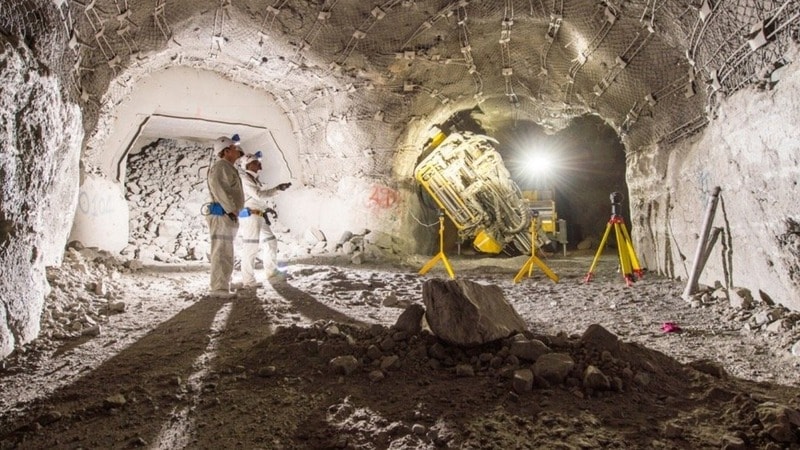
The big difference is its navigation ability. Instead of drilling in a straight line, it lets operators guide the bit in real time. Tools like downhole motors, RSS systems, and modern drilling rigs make this control possible, helping improve both safety and efficiency in coal mining.
Why is Directional Drilling Crucial for Modern Coal Mines?
Underground coal mining isn’t what it used to be. As mines go deeper, challenges make operations riskier. That’s where directional drilling technology for coal mines comes in. This method doesn’t just help miners reach coal; it helps them understand the ground before they even start.
Achieving “Geological Transparency” to Precisely Eliminate Hazards
In coal mining, unseen faults or collapse zones can stop production or cause accidents. Without knowing what’s underground, miners work almost blind.
With directional drilling, engineers can drill long boreholes ahead of the working area. These boreholes collect survey data that helps build a 3D geological model. This model gives a clear view of what lies ahead, like having a map underground.
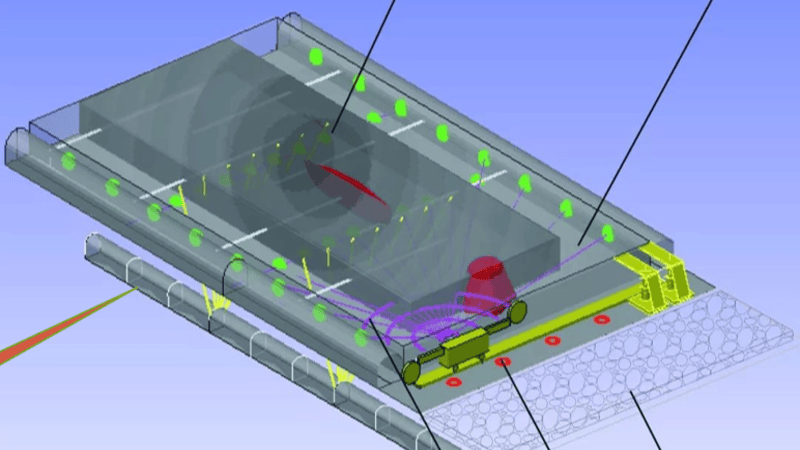
Instead of guessing, miners can plan each step confidently. This “geological transparency” helps avoid hazards and keeps production smooth and safe.
Efficient Gas Drainage to Eradicate Explosion Threats
Methane gas is one of the biggest dangers in coal mines. If trapped underground, it can cause deadly explosions.
Through horizontal directional drilling, miners can reach deep coal seams where gas is concentrated. By creating a network of directional boreholes, the gas is drained safely and pumped to the surface.
The result? Safer working conditions and an added benefit — the captured gas can be reused as clean energy. This not only improves safety but also supports sustainable mining practices.
Coal Seam Water Injection and Drainage for Dust and Water Control
Coal dust and water inrush are constant threats in underground mines. Both can cause severe accidents if not managed early.
Directional drilling provides two smart solutions:
- Water Injection: Water is evenly injected into the coal seam through boreholes. This increases moisture, lowers dust levels, and reduces the chance of dust explosions.
- Drainage and Exploration: Boreholes also help detect underground water deposits or aquifers. By draining them before mining starts, the risk of flooding is reduced.
These steps keep the mine environment stable, cleaner, and safer for miners.
Directional drilling technology for coal mines has transformed how the mining industry operates. It provides visibility underground, keeps workers safe, and boosts efficiency. From gas drainage to geological modeling, this technology turns coal mining into a precise, planned, and environmentally responsible process.
Why is Directional Drilling So Efficient?
Mining today demands both speed and precision. That’s exactly what directional drilling technology delivers. It combines control, reach, and flexibility, making it one of the most efficient methods used in coal mines worldwide. Let’s explore what makes it so effective.
Precise Trajectory Control
Directional drilling gives engineers the ability to guide the drill bit along a planned path deep underground. It can move in any direction: up, down, or sideways to stay within the coal seam.
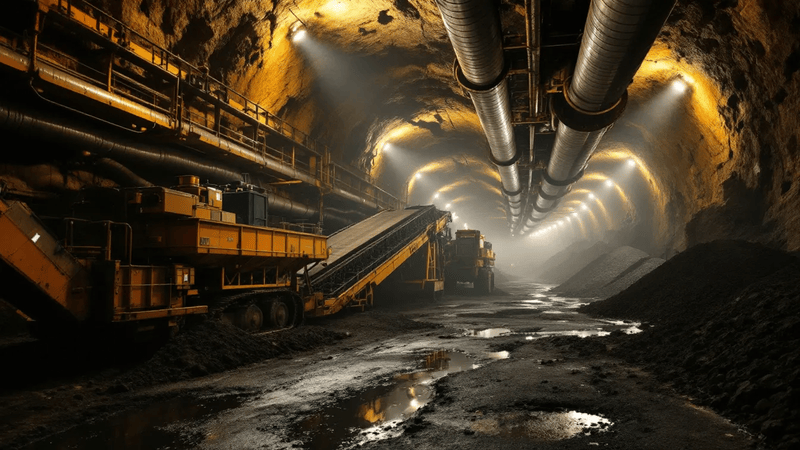
This 3D control helps avoid faults, fracture zones, and unstable formations. As a result, the borehole stays on its ideal route, reducing errors and saving time. With better accuracy, every meter drilled counts — boosting both safety and operational efficiency.
Extended Reach
Traditional vertical drilling often requires multiple boreholes to cover one area. Directional drilling changes that. It can reach hundreds — even thousands — of meters in a single stretch.
This long-distance capability allows one borehole to cover a wide zone, cutting down the total number of boreholes needed. Fewer holes mean lower engineering costs, less labor, and faster project completion.
At the same time, the extended reach provides richer survey data, helping build a clearer geological picture across larger sections of the mine.
Multiple Integrated Functions
One of the biggest strengths of directional drilling is its flexibility. The same set of equipment, including drilling rigs, drill pipes, and downhole motors, can serve several key purposes:
- Gas drainage
- Geological exploration
- Water injection
- Water drainage
This “multi-purpose drilling” approach improves efficiency and reduces the need for separate setups. It saves resources while delivering reliable results across different mining needs.
Construction Process: A Step-by-Step Guide
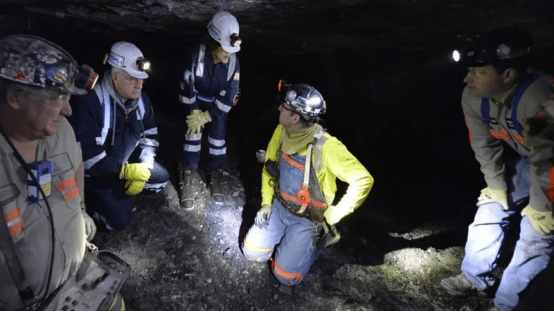
Directional drilling in coal mines relies on advanced equipment and a coordinated construction process. Each component plays a vital role in guiding the borehole’s trajectory and achieving multiple operational objectives.
Core Equipment
It’s important to understand the role of each core component used in the process.
1. Directional Drilling Rig
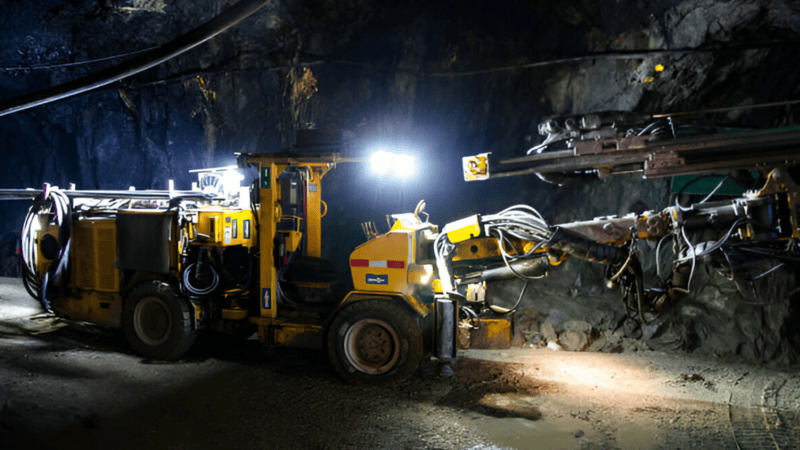
The directional drilling rig serves as the main power source of the operation. It delivers the torque and thrust needed to advance the drill string deep underground, ensuring stable and continuous drilling even in complex geological conditions.
2. Measurement While Drilling (MWD) System
The MWD system functions as the eyes and brain of the borehole. Installed just behind the drill bit, it continuously measures parameters such as inclination, azimuth, and tool face orientation, transmitting real-time data back to the surface control system. This allows precise monitoring and adjustment throughout the drilling process.
3. Downhole Motor (Mud Motor)
The downhole motor, often referred to as the steering wheel of the borehole, is powered by high-pressure drilling fluid. By adjusting the tool face orientation, operators can steer the drill bit, enabling controlled directional changes and maintaining the borehole along its planned 3D path.
Process Flow
The construction process follows several carefully managed stages designed to maintain accuracy and efficiency from start to finish.
- Preparation: Site setup, equipment inspection, and verification of the borehole design parameters.
- Spudding: Initial penetration into the ground using the directional drilling rig.
- Directional Drilling: Continuous drilling with real-time trajectory adjustments guided by MWD feedback and downhole motor control.
- Correction: If deviations occur, “sliding drilling” is used to realign the borehole with the designed trajectory.
- Completion: Once the target depth is achieved, borehole cleaning, casing installation, and connection to the desired system (e.g., gas drainage or water injection) are performed.
Final Insight
Directional drilling technology integrates precision, reach, and versatility into one seamless system. By transforming traditional mining into a data-driven, controlled process, it reduces costs, enhances safety, and optimizes underground resource management — helping miners work smarter, not harder.
Application Effect Evaluation: How is Success Measured?
In directional drilling for coal mines, success is about how well the system performs afterward. Engineers use a series of practical indicators to measure how effective the drilling has been in gas drainage, water injection, and water drainage. These evaluations help improve mine safety, efficiency, and environmental control.
Gas Drainage Effect Evaluation
Goal: To remove methane gas safely and reduce explosion risks.
How it’s measured:
Engineers track three key indicators:
- Gas drainage volume – how much gas is extracted through the boreholes
- Gas pressure reduction – how effectively has gas pressure dropped in the coal seam
- Gas emission rate – the amount of gas still released at the working face during mining
When directional drilling is successful, these numbers improve significantly — showing lower pressure, less gas release, and safer working conditions.
Coal Seam Water Injection Effect Evaluation
Goal: To control dust and improve air quality during mining.
How it’s measured:
- The dust concentration in the mine air before and after water injection is compared.
- The moisture content of the coal body is checked to ensure that the water has reached the target zone.
A successful water injection program means less dust in the air, fewer explosion risks, and a more stable mining environment.
Water Drainage/Exploration Effect Evaluation
Goal: To detect and remove underground water before it causes problems.
How it’s measured:
- The change in water inflow from the borehole over time
- The drop in water level in the surrounding area
- Whether water inrush accidents have been prevented
Accurate directional drilling ensures that hidden aquifers or goaf water are located early. When drainage is effective, the mine stays dry, safe, and stable — proving that the geological predictions were correct.
Conclusion
Directional drilling has transformed modern coal mining from a risky, uncertain process into a controlled and data-driven operation. Its precision, adaptability, and efficiency make it one of the most valuable innovations in underground mining today.
By providing accurate geological information, efficient gas drainage, and effective water management, directional drilling eliminates many of the hazards that once limited mining safety. It helps miners “see ahead” of the working face, reducing accidents and keeping operations stable even in challenging conditions.
Design Your Next Perfect Drilling Plan with Hwdrill
At Hwdrill, we specialize in different drilling equipment built for tough geological conditions. Our team helps you design the perfect drilling plan — ensuring each borehole follows its planned path with precision and reliability.
Contact us today to upgrade your underground mining operations with technology that delivers accuracy, control, and long-term performance.